Florida’s housing market has pushed thousands toward an alternative that’s smaller in footprint but big on community: tiny home villages. These clustered developments offer compact dwellings, typically 100 to 400 square feet, with shared amenities and a built-in neighborhood feel. The appeal is straightforward: lower purchase prices, reduced utilities, and less maintenance than a traditional single-family home. Florida’s warm climate, tourism economy, and flexible zoning in some counties have accelerated the growth of these villages. But they’re not simply a quirky lifestyle choice: for many, they’re a practical solution to skyrocketing rents and limited inventory. Before packing up for a 250-square-foot cottage, though, prospective residents need to understand the legal landscape, real costs, and trade-offs.
Table of Contents
ToggleKey Takeaways
- Tiny home villages in Florida offer homes ranging from $40,000 to $130,000 with monthly costs averaging around $1,484 combined—significantly lower than traditional housing or apartment rentals in Orlando and Tampa.
- Florida’s zoning flexibility varies by county; Pasco, Pinellas, and parts of Central Florida lead the way with amended ordinances, though you must verify local building codes, minimum square footage requirements, and year-round occupancy rules before purchasing.
- Purchase a tiny home on a permanent foundation to qualify for standard homeowners insurance and traditional mortgages; homes on RVIA-certified trailers may be classified as RVs with restrictions on placement and occupancy.
- Community amenities like shared pools, clubhouses, and gardens foster strong neighborhood connections, but HOA or park rules tightly control lot rent, pet policies, and exterior modifications—read all covenants carefully.
- Florida’s hurricane season (June–November) requires homes to meet wind load standards, secure tie-downs or anchoring, and emergency preparedness items like storm panels, making location and structural compliance critical.
- The secondary market for tiny homes is still developing, potentially making resale slower than conventional properties, so prioritize long-term commitment and financial flexibility when choosing a tiny home village.
What Are Tiny Home Villages and Why Are They Growing in Florida?
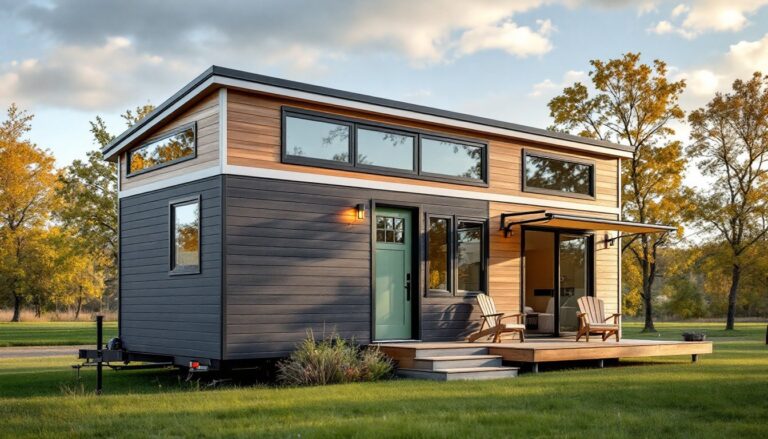
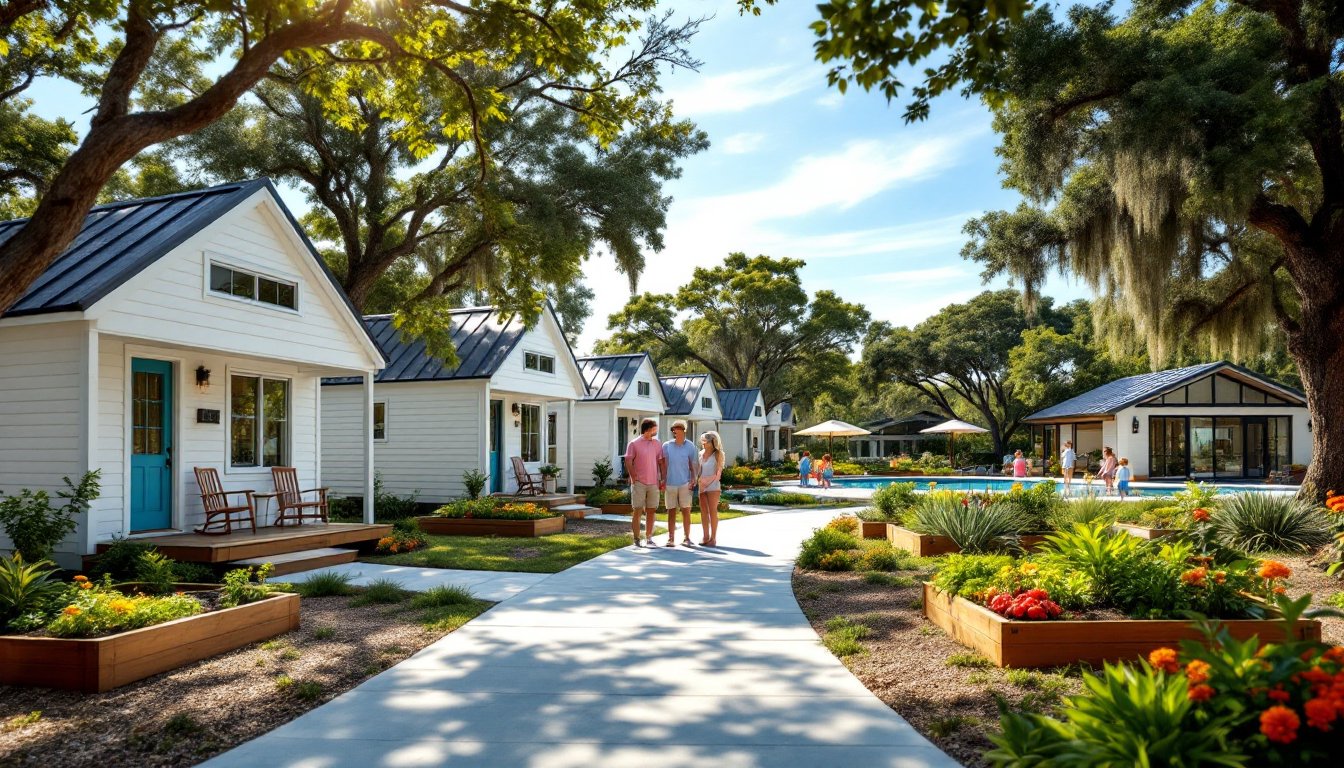
A tiny home village is a purpose-built community of small dwellings, often on permanent foundations or trailer chassis, clustered around shared infrastructure like water, sewer, and electric service. Residents typically own or rent their individual unit and pay an HOA fee or lot rent to cover common areas, landscaping, security, and utilities.
Florida’s growth comes down to three factors: affordability, demographics, and policy shifts. Median home prices in metro areas like Orlando and Tampa have climbed past $400,000, pricing out first-time buyers and retirees on fixed incomes. Tiny homes, by contrast, can range from $40,000 to $120,000 depending on finishes and whether they’re stick-built or RVIA-certified trailers. Older adults downsizing and young professionals seeking minimalist living both see the appeal.
Legislatively, Florida has been more receptive than many states. While statewide building codes still apply, some counties and municipalities have amended zoning ordinances to permit tiny home subdivisions as a distinct use category. Pasco, Pinellas, and parts of Central Florida have led the way, creating pathways for developers to build legal, inspected communities. Communities like Orlando and Tampa frequently appear in design and housing trend coverage as hotspots for this movement.
Safety note: Even tiny homes must meet the Florida Building Code if they’re on a permanent foundation. If the structure is on a trailer and certified by the Recreational Vehicle Industry Association (RVIA), it may be classified as an RV and subject to different standards, but placement and occupancy rules vary widely by jurisdiction.
Top Tiny Home Villages in Florida to Consider
Orlando Lakefront
The Orlando area hosts several established villages, with Lake County and Osceola County emerging as top destinations. One notable example is Orlando Lakefront at College Park, a 24-acre development featuring 139 tiny homes on permanent foundations, each between 350 and 450 square feet. Homes include stainless appliances, tankless water heaters, and engineered wood floors.
Amenities typically include a clubhouse, pool, dog park, and community garden plots. Lot rent runs approximately $450 to $550 per month, covering water, sewer, trash, and grounds maintenance. Purchase prices for a new unit range from $85,000 to $130,000, depending on upgrades.
Zoning classification here is Residential Planned Development (RPD), which permits higher density and flexible unit sizes. Proximity to State Road 50 and the Florida Turnpike makes commuting feasible for those working in downtown Orlando or the theme park corridor.
Tampa Bay Area Communities
Tampa Bay’s tiny home scene is concentrated in Pasco County, where land costs are lower and zoning more permissive. Homestead Tiny Home Village in Dade City offers 60 units on 15 acres, with each home sitting on a concrete pad and connected to county utilities.
Units range from 250 to 400 square feet. Most are manufactured by regional builders using standard 2×4 framing, spray foam insulation, and metal roofing, practical choices for Florida’s humidity and hurricane exposure. Purchase prices start around $65,000: monthly lot rent is $395 to $475.
St. Petersburg has also seen interest, though fewer formal villages exist within city limits due to stricter minimum square footage requirements (most municipalities still enforce 600- to 800-square-foot minimums for single-family dwellings). Developers often target unincorporated county land where rules are more flexible.
For those interested in compact, efficient home design, small space living ideas can provide inspiration for maximizing function in a tiny footprint.
Legal Considerations and Zoning Laws for Tiny Homes in Florida
Florida does not have a single statewide zoning policy for tiny homes. Instead, each county and municipality sets its own rules. The Florida Building Code (FBC) applies to all habitable structures on permanent foundations, regardless of size. That means electrical work must meet the National Electrical Code (NEC), plumbing must conform to the Florida Plumbing Code, and structural framing must meet wind load requirements for the local Wind Speed Zone (typically 140 to 180 mph in coastal counties).
If the tiny home is on a trailer and certified by the RVIA, it may be classified as a recreational vehicle. In that case, the FBC doesn’t apply, but placement is restricted: many jurisdictions prohibit year-round occupancy of RVs outside of licensed RV parks. Some villages skirt this by registering as RV resorts, but residents should verify that full-time living is explicitly permitted.
Minimum square footage ordinances remain a major barrier. Many cities still require detached single-family homes to be at least 600 or 750 square feet. Pasco County dropped its minimum to 375 square feet in 2018 for certain zoning districts, opening the door for legal tiny home subdivisions. Sarasota County and parts of Brevard County have followed suit.
Permit requirements depend on whether the home is stick-built on-site or delivered as a finished unit. Stick-built homes require standard building permits, inspections for foundation, framing, rough electrical, rough plumbing, insulation, and final. Manufactured units certified to HUD standards (mobile homes) or RVIA standards may only need a placement permit and utility hookup inspections.
Safety and compliance checklist:
- Verify zoning classification and minimum square footage for the parcel.
- Confirm that the village or park allows full-time occupancy if you plan to live there year-round.
- Request copies of HOA covenants and deed restrictions before signing.
- Ensure electrical service is at least 100-amp (many tiny homes use 50-amp RV pedestals, which may not meet code for permanent dwellings).
- Check setback requirements, especially if you’re building on your own land.
- If financing, confirm that the lender recognizes the structure as real property (not personal property like an RV).
What It Costs to Live in a Florida Tiny Home Village
Total cost of living breaks down into four buckets: purchase or rent, lot fees, utilities, and maintenance.
Purchase price: A finished tiny home ranges from $40,000 for a basic RVIA trailer to $130,000 for a custom stick-built unit with premium finishes. Builders like Tiny House Building Company and Movable Roots operate in Florida and offer turnkey packages. DIY builds can cut costs by 30 to 40 percent but require time, skill, and tool access.
Lot rent: Most villages charge $350 to $600 per month. This typically includes water, sewer, trash, grounds maintenance, and access to shared amenities. Some communities bundle electric and internet: others meter individually.
Utilities: Electric bills in a well-insulated 300-square-foot home with a mini-split heat pump (1 ton or 12,000 BTU) average $40 to $80 per month. Propane for cooking and hot water (if not electric) runs $20 to $40 per month. Internet and phone add another $60 to $100.
Maintenance: Metal roofs and vinyl siding require minimal upkeep. Budget $500 to $1,000 annually for HVAC filter changes, caulking, pest control, and minor repairs. Homes on trailers may need tire and axle inspections if you plan to move them.
Insurance: Tiny homes on foundations qualify for standard homeowners insurance, typically $600 to $1,200 per year in Florida (higher in coastal wind zones). RV-classified units require specialty RV or mobile home insurance, often $400 to $800 annually.
Financing: Traditional mortgages rarely cover tiny homes under 400 square feet. Options include personal loans (rates of 7 to 12 percent), RV loans (6 to 10 percent for RVIA-certified units), or builder financing. Some credit unions offer “tiny home loans” with terms up to 15 years.
Total monthly cost example (owner-occupied):
- Purchase: $80,000 financed at 8% over 15 years = $764/month
- Lot rent: $475
- Utilities: $100
- Insurance: $70
- Maintenance reserve: $75
Total: approximately $1,484/month.
For comparison, a one-bedroom apartment in Orlando or Tampa averages $1,600 to $2,000 per month with no equity build.
Regional design magazines covering Southern home trends often highlight the financial advantages of downsizing in the Southeast.
Pros and Cons of Tiny Home Village Living
Pros:
- Lower housing costs: Purchase price and monthly expenses are significantly below market-rate homes and apartments.
- Community atmosphere: Shared amenities and close quarters foster neighborly connections. Many villages host potlucks, movie nights, and group activities.
- Simplified maintenance: Less square footage means less to clean, heat, cool, and repair.
- Flexibility: Some RVIA-certified homes can be relocated if you change jobs or want a new setting.
- Environmental footprint: Smaller homes use fewer materials to build and less energy to operate.
Cons:
- Space constraints: 300 square feet is tight for more than one or two people. Storage is limited: every item must earn its place.
- Zoning uncertainty: Rules can change. A village that’s legal today may face new restrictions if local ordinances shift.
- Resale challenges: The secondary market for tiny homes is still developing. Selling may take longer than a conventional property.
- Financing and insurance hurdles: Not all lenders or insurers are comfortable with non-traditional dwellings. Shop around and expect higher rates.
- HOA or park rules: Lot rent, pet policies, guest parking, and exterior modifications are often tightly controlled. Read the fine print.
- Hurricane preparedness: Homes on trailers must be properly anchored. Even stick-built units need hurricane straps, impact-resistant windows, and a solid tie-down system. Keep plywood or storm panels on hand if you’re in a wind zone.
Safety reminder: Florida’s hurricane season runs June through November. Ensure your tiny home meets or exceeds the wind load requirements for your zone. Install smoke detectors, carbon monoxide detectors, and a 10-pound ABC fire extinguisher. In a compact space, a small fire can become critical in seconds. Always wear safety goggles and work gloves when handling tools or building materials during any DIY modifications.
Tiny home village living isn’t for everyone, but for those willing to trade square footage for affordability and community, Florida offers a growing number of legal, well-designed options. Do your assignments on zoning, financing, and village rules before you commit, and you’ll be better positioned to enjoy the upside without unpleasant surprises.