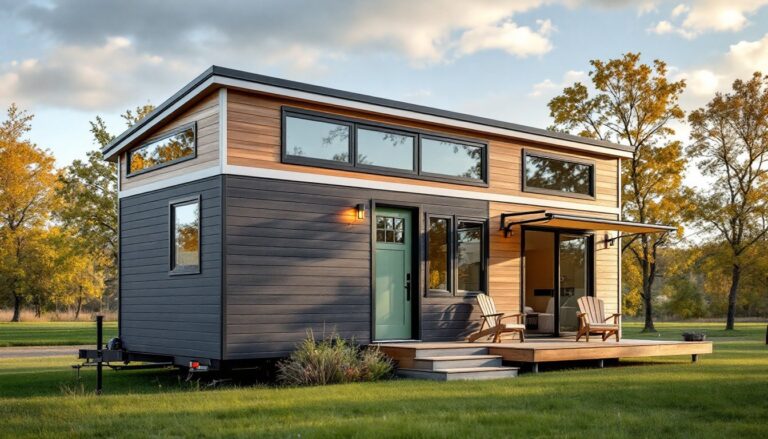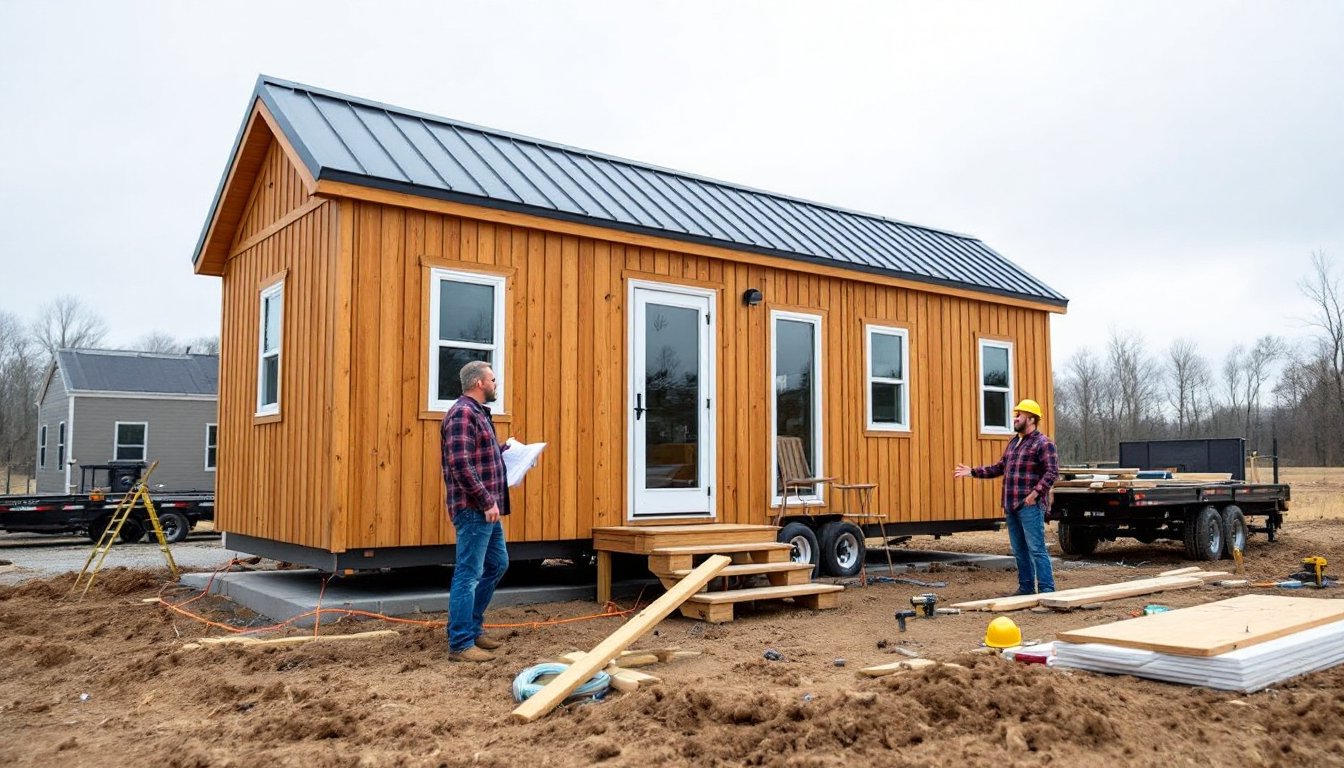
Tiny home buildings have shifted from novelty to viable housing solution. These compact dwellings, typically under 400 square feet, combine efficient design with lower costs and reduced environmental impact. Whether someone’s chasing financial freedom, minimalist living, or a mobile lifestyle, understanding the building process, legal hurdles, and design trade-offs is critical before committing to a project. This guide walks through the key decisions, from foundation type to final budget, so builders can avoid costly mistakes and code violations.
Table of Contents
ToggleKey Takeaways
- Tiny home buildings cost $20,000 to $120,000 depending on whether you DIY, buy kits, or purchase turnkey models, making them a far more affordable housing option than traditional homes.
- Tiny houses on wheels offer mobility but face financing challenges and zoning restrictions, while foundation-based tiny homes qualify for mortgages and standard homeowners insurance.
- Vertical space, multi-use furniture, and efficient plumbing layouts are essential design principles that maximize functionality in compact spaces under 400 square feet.
- Zoning laws vary significantly by jurisdiction—some cities allow tiny homes as accessory dwelling units (ADUs) or adopt IRC Appendix Q, while others prohibit them entirely.
- Common DIY mistakes like improper window flashing, undersized joists, and missing vapor barriers can lead to costly rework; planning plumbing and electrical before framing prevents expensive retrofits.
What Are Tiny Home Buildings and Why They’re Gaining Popularity
Tiny home buildings are self-contained residential structures that max out around 400 square feet of living space, though some definitions stretch to 600 square feet. They incorporate full kitchens, bathrooms, sleeping areas, and storage, just scaled down to essentials.
The appeal isn’t purely aesthetic. Housing costs continue to climb, and many buyers are priced out of traditional single-family homes. A tiny home can cost $30,000 to $80,000 fully built, far less than median home prices in most U.S. markets. They also offer flexibility: owners can relocate, downsize after retirement, or create accessory dwelling units (ADUs) on existing property.
Environmental considerations drive interest too. Smaller footprints mean less energy consumption, reduced material waste during construction, and lower utility bills. The movement also dovetails with minimalist lifestyles, forcing occupants to prioritize possessions and eliminate clutter.
That said, tiny living isn’t for everyone. Storage is severely limited, hosting guests becomes logistical chess, and resale markets remain niche. Anyone considering a tiny home should test the lifestyle, rent one for a month, before committing to a build or purchase.
Types of Tiny Home Buildings You Can Choose From
Tiny homes fall into several categories, each with distinct construction requirements and legal classifications.
Tiny houses on wheels (THOWs) are built on trailer frames and classified as recreational vehicles (RVs) in most jurisdictions. They bypass traditional foundation requirements but must meet weight limits, usually 10,000 to 14,000 pounds gross vehicle weight, and road-legal width restrictions of 8.5 feet. Builders use engineered lumber like LVL (laminated veneer lumber) for floor joists to handle road vibration, and they secure all fixtures, appliances, and cabinetry with hurricane straps or blocking.
Foundation-based tiny homes sit on permanent footings, concrete piers, slab-on-grade, or crawl spaces, and are treated as traditional dwellings. They must comply with local building codes (typically the International Residential Code, or IRC), which dictate minimum ceiling heights (6’8″ in habitable rooms, 6’4″ in bathrooms), egress window sizes, and structural load requirements. These homes are easier to finance and insure but lose mobility.
Prefab and modular tiny homes arrive partially or fully constructed from a factory. They’re built to HUD code (for manufactured housing) or IRC standards, depending on the manufacturer. Quality control is tighter, and timelines are faster, often 4 to 8 weeks from order to delivery. But, customization is limited, and delivery requires crane access and wide roads.
Shipping container conversions repurpose 20-foot or 40-foot steel containers into homes. They require significant structural modification, cutting openings weakens the frame, so builders weld in steel reinforcements. Insulation is critical: condensation forms on bare steel, leading to mold. Spray foam insulation (closed-cell, R-6 to R-7 per inch) is standard.
Tiny Houses on Wheels vs. Permanent Foundations
Choosing between a THOW and a foundation-based build hinges on mobility, zoning, and financing.
Tiny houses on wheels offer flexibility. Owners can relocate without selling, which appeals to those with remote work or seasonal needs. But, they’re harder to finance, most lenders won’t issue mortgages for RVs, so buyers rely on personal loans or RV loans with higher interest rates (6% to 12%). Insurance is also tricky: standard homeowners policies don’t cover THOWs, and RV policies may exclude full-time residency.
Zoning is the bigger obstacle. Many municipalities prohibit permanent THOW parking on residential lots, limiting owners to RV parks or private land with owner permission. Building codes for tiny homes have evolved, but enforcement varies widely. Some jurisdictions allow THOWs as ADUs if they meet IRC Appendix Q (a tiny home-specific code amendment), while others ban them outright.
Permanent foundation tiny homes integrate into standard residential zoning. They qualify for traditional mortgages, homeowners insurance, and property tax treatment (which means annual taxes but also equity building). They’re also easier to connect to municipal water, sewer, and electrical grids without special permitting.
The trade-off is permanence. Once on a foundation, relocation requires dismantling or expensive structural movers. Foundation work also adds $5,000 to $15,000 to upfront costs, depending on soil conditions and frost line depth.
Essential Design Principles for Tiny Home Buildings
Designing a tiny home is an exercise in spatial efficiency and multifunctional furniture. Every square foot must justify its existence.
Vertical space is underutilized real estate. Lofted sleeping areas free up floor space for living and kitchen zones. Code-compliant lofts require 35 square feet of floor area with a 3-foot clear height above the loft floor (per IRC Appendix Q). Ladder access is legal, but many builders install alternating-tread stairs, they’re safer and provide built-in storage cubbies beneath each step.
Multi-use furniture eliminates redundancy. Murphy beds fold into walls, dining tables drop from hinged wall mounts, and storage ottomans double as seating. Builders should spec piano hinges (continuous hinges) for heavy fold-down furniture, they distribute weight better than butt hinges.
Light and sightlines prevent claustrophobia. Large windows (casement or awning styles for ventilation) and glass doors visually expand interiors. Many home design professionals recommend keeping wall colors light and using mirrors to reflect natural light. Avoid heavy curtains: go with cellular shades or sheer panels.
Plumbing and electrical require tight planning. Cluster the kitchen, bathroom, and laundry (if included) along a single wet wall to minimize plumbing runs. Use PEX tubing instead of copper, it’s flexible, cheaper, and easier to route through tight framing. For electrical, plan outlet and switch locations before framing: retrofitting in a finished tiny home is a nightmare. Install a 100-amp service panel minimum, even if initial loads are low, it allows for future appliances like mini-splits or electric water heaters.
Insulation and ventilation are non-negotiable. Tiny homes heat and cool quickly, but poor insulation leads to temperature swings and condensation. Use closed-cell spray foam (R-21 in walls, R-30+ in roofs) or dense-pack cellulose in stud bays. Pair with a ventilation strategy: bathroom and kitchen exhaust fans vented to the exterior, and either operable windows or an ERV (energy recovery ventilator) for fresh air exchange.
Building or Buying Your Tiny Home: What to Consider
The build-versus-buy decision comes down to skills, time, and budget.
DIY builds save on labor, typically 30% to 50% of total project cost, but demand carpentry skills, tool access, and months of evenings and weekends. First-timers should expect a 6- to 12-month timeline for a shell (framed, roofed, and sided), plus another 2 to 4 months for interior finishes. Common mistakes include improper flashing around windows (leading to water intrusion), undersized floor joists (causing bounce), and neglecting vapor barriers (resulting in mold).
Tools required for a DIY build include a circular saw or miter saw, cordless drill/impact driver, framing nailer (pneumatic or battery), and a level (4-foot minimum). Budget $1,500 to $3,000 for tools if starting from scratch. Rent specialty tools like scaffolding, a spray foam rig, or a trailer-moving dolly.
Turnkey builds from tiny home companies deliver a finished, code-compliant structure with warranties. Expect to pay $50,000 to $100,000+ depending on size, finishes, and appliances. Lead times vary, 8 to 20 weeks for production, plus delivery. Vet builders carefully: ask for references, visit completed projects, and confirm they pull permits (if required) and provide stamped engineering drawings for the trailer or foundation.
Kits and shell packages split the difference. Companies like Tumbleweed or Tiny Home Builders sell framing kits with pre-cut lumber, plans, and materials lists. Buyers handle assembly and finishes. Kits cost $10,000 to $30,000 and require moderate carpentry skills. They’re a good middle ground for confident DIYers who want engineering support.
Financing is harder for tiny homes. If building on a foundation, construction loans or home equity lines of credit (HELOCs) may apply. For THOWs, personal loans or specialized tiny home lenders (like LightStream) are common. Interest rates are higher, and loan terms shorter, 5 to 10 years versus 15 to 30 for mortgages.
Zoning Laws and Legal Requirements for Tiny Homes
Zoning and permitting are the biggest obstacles to tiny home ownership. Laws vary by city, county, and state, there’s no universal playbook.
Minimum square footage requirements in many residential zones prohibit structures under 600 to 1,000 square feet. Some municipalities have amended codes to allow tiny homes as ADUs (accessory dwelling units) on lots with existing primary residences, but restrictions apply: ADUs often can’t exceed 50% of the primary dwelling’s square footage, must be owner-occupied (either the ADU or primary home), and may require separate utility meters.
IRC Appendix Q is a tiny home-specific building code adopted by some jurisdictions. It sets standards for ceiling heights, lofts, egress, and structural loads tailored to homes under 400 square feet. If your area has adopted Appendix Q, you can legally build a code-compliant tiny home. If not, you’re subject to standard IRC minimums, which tiny homes often can’t meet.
RV classification and parking rules govern THOWs. Many cities prohibit using RVs as permanent residences on private property. Some allow it on agricultural or rural-zoned land: others permit it only in licensed RV parks. Enforcement is inconsistent, some areas ignore THOWs, others issue fines and eviction notices.
Permits are non-negotiable for foundation-based builds. Expect to pull a building permit, electrical permit, plumbing permit, and possibly a mechanical permit (for HVAC). Inspections occur at key milestones: footing/foundation, framing, rough-in (plumbing and electrical), insulation, and final. Skipping permits risks fines, inability to sell, and insurance denial if damage occurs.
Work with local planning departments early. Ask specific questions: Are tiny homes allowed as primary residences? As ADUs? On wheels or foundation only? What’s the minimum square footage? Some progressive cities, like Portland, OR: Fresno, CA: and Asheville, NC, have tiny home-friendly codes. Others remain hostile.
Cost Breakdown: How Much Does a Tiny Home Building Really Cost
Tiny home costs vary wildly based on size, finishes, and whether you’re building or buying.
DIY builds on trailers start around $20,000 for a bare-bones shell (framing, sheathing, roofing, siding) and climb to $40,000 to $60,000 with mid-grade finishes, appliances, and fixtures. Major cost centers:
- Trailer: $4,000 to $8,000 for a dual-axle, tiny home-specific trailer (rated for residential loads, not cargo).
- Framing lumber and sheathing: $3,000 to $6,000, depending on lumber prices and whether you use reclaimed materials.
- Roofing: $1,500 to $3,000 for metal panels (standing seam or corrugated) or architectural shingles.
- Windows and doors: $1,500 to $4,000. Energy-efficient double-pane windows add cost but pay back in reduced heating/cooling.
- Insulation: $1,000 to $2,500 for spray foam or batts.
- Plumbing and electrical rough-in: $2,000 to $4,000 if doing it yourself: $6,000 to $10,000 if hiring licensed trades.
- Appliances: Compact models (24-inch ranges, apartment-size refrigerators, tankless water heaters) run $2,000 to $5,000.
- Interior finishes: Flooring, cabinetry, countertops, and paint add $3,000 to $8,000.
Turnkey tiny homes from builders cost $50,000 to $120,000. High-end custom builds with luxury finishes, off-grid systems (solar, composting toilets, rainwater collection), and engineered trailers can exceed $150,000.
Foundation-based tiny homes add site prep costs. Concrete piers ($1,500 to $3,000), slab-on-grade ($3,000 to $7,000), or crawl space foundations ($5,000 to $12,000) depend on soil type and frost depth. Municipal utility hookups (water, sewer, electric) range from $3,000 to $10,000 if extending services from the street.
Land costs are separate. Buyers often overlook this: rural land with fewer restrictions runs $10,000 to $50,000 per acre in many regions, but lacks infrastructure. Urban lots with utilities cost more but simplify hookups.
Ongoing expenses include property taxes (for foundation homes), RV park fees ($400 to $1,200/month for THOWs), insurance ($600 to $1,500/year), and maintenance. Budget for roof inspections, sealant replacement around windows, and HVAC servicing.
Costs fluctuate with market conditions. Lumber prices spiked 300% during 2021: they’ve since normalized but remain above pre-pandemic levels. Appliance lead times and prices are also volatile. Lock in material costs by purchasing in bulk when prices dip, and store materials securely, theft on job sites is common.
For those serious about tiny living, professional guidance helps avoid expensive rework. Consulting with experienced renovation professionals on structural and systems design can prevent code violations and safety issues that cost far more to fix after construction.