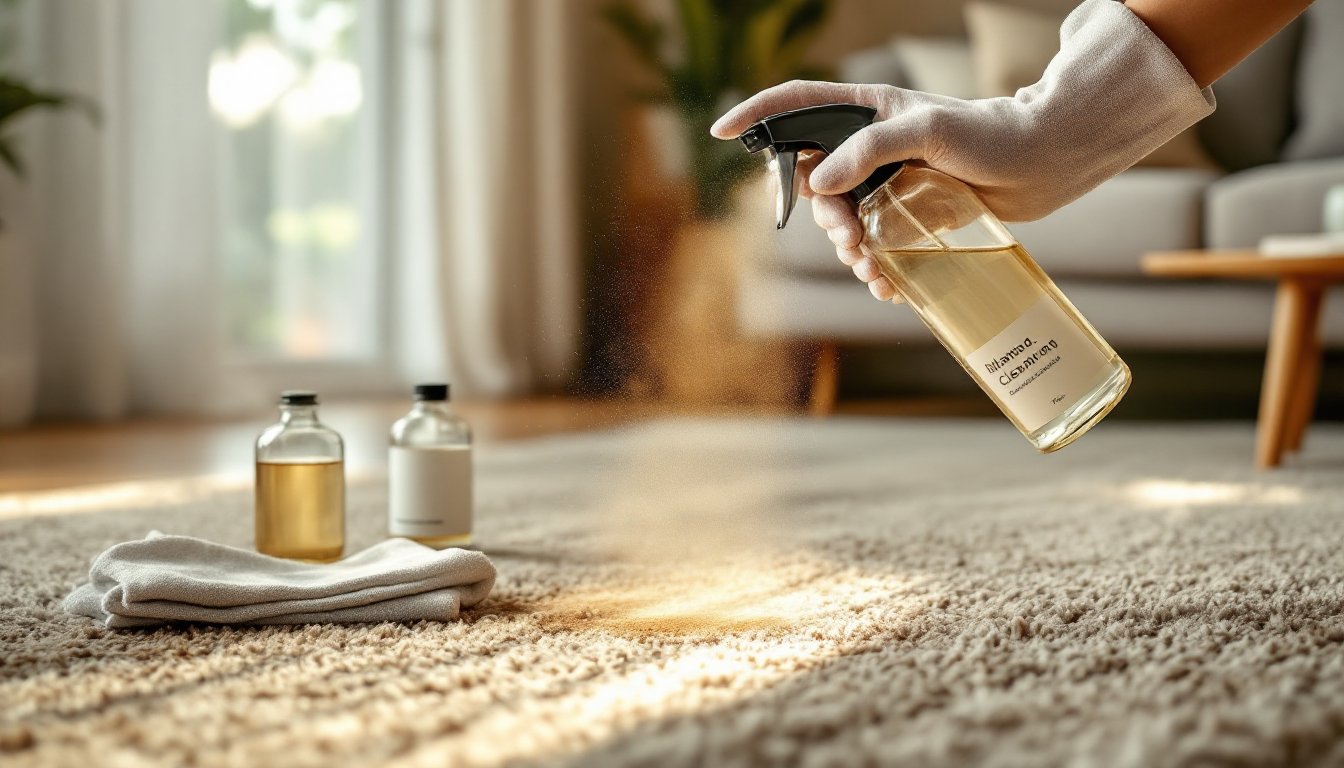
Branch Basics has built a reputation around its concentrated, plant-based cleaning formula, and homeowners are increasingly turning to it for carpet care. Unlike conventional carpet cleaners loaded with synthetic fragrances, optical brighteners, and surfactants you can’t pronounce, Branch Basics offers a different approach: one concentrate that dilutes for multiple cleaning tasks, including carpets. It’s not a dedicated carpet shampoo in the traditional sense, but for households prioritizing non-toxic ingredients and minimal packaging, it’s become a go-to option. This guide breaks down how to use it effectively, what it handles well, and whether the cost makes sense for your carpet maintenance routine.
Table of Contents
ToggleKey Takeaways
- Branch Basics carpet cleaner is a plant-based, concentrated formula designed for multi-surface cleaning rather than carpet-specific care, making it ideal for households prioritizing non-toxic, transparent ingredients.
- Proper dilution is critical: use 1 tablespoon per 16 oz water for light cleaning or 2 tablespoons per 16 oz for heavy-duty machine use, and always test in hidden areas before treating visible carpets.
- Branch Basics excels at routine maintenance, spot cleaning, and odor control but lacks the enzymes and oxidizers needed for tough stains like old pet urine or red wine, which may require supplemental treatments.
- The concentrate costs $2–$3 per cleaning session once diluted, making it competitively priced with pre-mixed carpet shampoos over time while cutting down on single-use plastic packaging.
- Vacuum thoroughly before cleaning and allow carpets to dry completely in 4–6 hours to prevent mold and mildew, as proper technique is essential for maximum performance.
- Branch Basics works best as a multi-surface household cleaner, so the investment pays off if you use the concentrate for floors, counters, and upholstery beyond carpet care.
What Makes Branch Basics Carpet Cleaner Different?
Branch Basics isn’t formulated specifically as a carpet cleaner, it’s a multi-surface concentrate designed to replace an entire closet of cleaning products. The formula combines purified water, plant-based surfactants (including decyl glucoside and chamomile extract), and trace minerals. No added fragrances, dyes, or preservatives. For carpet use, you’re essentially creating a diluted solution that lifts dirt and odors without leaving residue.
The key distinction here is ingredient transparency. Most commercial carpet cleaners rely on proprietary blends that include enzymes, solvents, or synthetic detergents. Branch Basics lists every ingredient on the label and keeps the formula hypoallergenic, critical for homes with kids, pets, or anyone sensitive to chemical off-gassing. The concentrate ships in a reusable glass bottle with refillable spray bottles, cutting down on single-use plastic.
One trade-off: Branch Basics doesn’t contain the heavy-duty enzymes or oxidizers found in products like Bissell or Resolve formulas. That means it won’t tackle every industrial-grade stain (think old pet urine deep in padding or set-in red wine). But for routine maintenance, spot cleaning, and freshening high-traffic areas, it performs well without the chemical hangover. The formula is pH-neutral, so it won’t strip carpet fibers or void warranties on stain-resistant treatments like Scotchgard.
If you’re using a carpet cleaning machine (Bissell, Hoover, or Rug Doctor), Branch Basics can substitute for branded shampoos, just watch your dilution ratios to avoid excess suds. The plant-based surfactants don’t foam as aggressively as synthetic detergents, which actually helps with rinsing and reduces the sticky residue that attracts dirt later.
How to Use Branch Basics Concentrate for Carpet Cleaning
Dilution Ratios and Mixing Instructions
Branch Basics provides dilution guidelines for different tasks. For carpets, you’ll use the all-purpose or heavy-duty ratio depending on soil level.
- Light cleaning / spot treatment: 1 tablespoon concentrate per 16 oz water (all-purpose strength)
- Heavy-duty cleaning / machine use: 2 tablespoons concentrate per 16 oz water, or 1/4 cup per gallon for tank machines
Use distilled or filtered water if your tap water is hard (high mineral content). Hard water can interfere with surfactant performance and leave white residue on dark carpets. Mix the solution in a spray bottle for spot cleaning, or directly into your carpet cleaner’s tank for whole-room jobs.
Don’t overpour. More concentrate doesn’t mean better cleaning, it just makes rinsing harder and can leave carpets feeling stiff. The plant-based surfactants work efficiently at lower concentrations.
Step-by-Step Carpet Cleaning Process
- Vacuum thoroughly. Remove loose dirt, pet hair, and debris. This step matters more than most people think, dirty carpets clog extractors and dilute cleaning solutions.
- Pre-treat stains. Spray the diluted Branch Basics solution directly onto spots. Let it sit for 3–5 minutes to break down oils and proteins. For tougher stains, gently agitate with a soft-bristle brush (an old toothbrush works).
- Test in an inconspicuous area. Even non-toxic cleaners can react with certain dyes or finishes. Test a hidden corner and let it dry completely before proceeding.
- Apply solution. For spot cleaning, spray lightly and blot with a clean white cloth (colored towels can transfer dye). Work from the outside of the stain inward to avoid spreading. For machine cleaning, fill the tank with your diluted mix and run the machine per manufacturer instructions.
- Rinse if needed. Carpet machines with a rinse cycle help remove any remaining cleaner. If spot-cleaning by hand, follow up with a cloth dampened in plain water and blot again.
- Dry completely. Open windows, run fans, or use a dehumidifier. Damp carpet invites mold and mildew, especially in basements or humid climates. Avoid walking on carpets until fully dry, usually 4–6 hours depending on airflow and pile thickness.
Safety note: Branch Basics is non-toxic, but always wear gloves if you have sensitive skin. Ventilate the room well during and after cleaning, not for fumes, but to speed drying and prevent musty odors.
Performance on Common Carpet Stains and Spills
Branch Basics handles everyday messes competently, but it’s not a miracle worker. Here’s how it performs on typical household stains:
Food and beverage spills (coffee, juice, soda): Strong performance. The surfactants lift water-based stains well, especially if treated within a few hours. Pre-treating and blotting usually clears these completely.
Pet stains (fresh urine, vomit): Moderate success. Branch Basics neutralizes odor and lifts surface staining, but it lacks the enzymes that break down uric acid crystals deep in carpet backing. For old or recurring pet accidents, you’ll likely need an enzymatic cleaner like Nature’s Miracle as a first step, then follow with Branch Basics for maintenance. Experts in carpet and upholstery care often recommend enzyme treatments for biological stains before applying general cleaners.
Grease and oil (cooking oil, makeup, lotion): Fair to good. Plant-based surfactants emulsify light oils, but heavy grease may need multiple applications or a pre-treatment with a degreaser. For makeup stains, blot with a dry cloth first to lift excess pigment before applying the cleaner.
Mud and dirt: Excellent. Once dry, vacuum up as much as possible, then treat with the all-purpose dilution. The formula lifts particulate soil without leaving a sticky film that re-attracts dirt, common with some commercial shampoos.
Red wine, ink, and dye-based stains: Limited effectiveness. These require oxidizers (like hydrogen peroxide) or specialized solvents. Branch Basics may lighten the stain but won’t remove it entirely. For best results on tough stains, many home cleaning guides suggest treating immediately with an appropriate spot remover before applying a general cleaner.
Odor control: Branch Basics excels here. The formula doesn’t mask odors with fragrance, it removes the source. For homes with pets or smokers, regular use keeps carpets smelling neutral.
One tip: For any stain, speed matters. The longer a spill sits, the more it bonds to carpet fibers. Keep a pre-mixed spray bottle handy in high-traffic areas.
Cost Analysis: Is Branch Basics Worth It for Carpet Care?
Branch Basics isn’t the cheapest option upfront, but the concentrate model changes the math. A 16 oz bottle of concentrate costs around $40 and yields approximately six refill bottles at all-purpose strength, or three bottles at heavy-duty concentration. For carpet cleaning machines, one bottle can fill a 1-gallon tank roughly 12 times.
Compare that to dedicated carpet shampoos:
- Bissell Professional Pet Urine Eliminator: ~$15 per 48 oz bottle (ready-to-use, no dilution)
- Resolve High Traffic Foam: ~$6 per 22 oz can (single-use aerosol)
- Hoover Paws & Claws Solution: ~$13 per 64 oz bottle (pre-mixed for machines)
On a per-use basis, Branch Basics runs about $2–$3 per carpet cleaning session (assuming a 1-gallon tank fill), while pre-mixed formulas range from $1.50–$4 depending on brand and tank size. The concentrate costs more initially but evens out over time, especially if you’re also using it for floors, counters, and upholstery.
The real savings come from consolidation. Instead of buying separate products for different surfaces, one concentrate handles most household cleaning. You’re also paying for ingredient quality: no fillers, no synthetic fragrances, and third-party testing for heavy metals and contaminants.
Hidden costs to consider:
- Distilled water (if your tap water is hard): ~$1 per gallon
- Refillable bottles (if you need extras): ~$7 each
- Potential need for supplemental stain treatments (enzymes, oxidizers) for tough jobs
For households committed to non-toxic products, the cost is justified. If you’re purely optimizing for budget and don’t prioritize ingredient transparency, conventional carpet shampoos deliver comparable cleaning at a lower price point. Techniques for stretching cleaning budgets and evaluating product value are often covered in household management resources.
One money-saving tip: Buy the Branch Basics Starter Kit (concentrate, bottles, and instructions) during sales. The company occasionally offers 15–20% off, which makes the initial investment more palatable.
Pros and Cons for Homeowners and DIY Cleaners
Pros:
- Ingredient transparency: Every component is listed and explained. No proprietary “fragrance” or mystery additives.
- Multi-surface versatility: One concentrate replaces carpet cleaner, all-purpose spray, glass cleaner, and more. Simplifies storage and reduces clutter.
- Low residue: Plant-based surfactants rinse clean, reducing the sticky buildup that attracts dirt between cleanings.
- Safe for kids and pets: Non-toxic, hypoallergenic, and free of volatile organic compounds (VOCs). Safe to use in nurseries and homes with sensitive individuals.
- Eco-friendly packaging: Glass concentrate bottle and reusable spray bottles cut down on single-use plastic.
- pH-neutral formula: Won’t damage carpet fibers, stain-resistant treatments, or void manufacturer warranties.
Cons:
- Limited stain-fighting power: Lacks enzymes and oxidizers for tough biological or dye-based stains. Not ideal for heavy-duty pet accidents or industrial messes.
- Higher upfront cost: The concentrate is pricier than most off-the-shelf carpet cleaners, even accounting for dilution.
- Requires mixing: Not grab-and-go. You’ll need to dilute the concentrate yourself, which adds a step compared to ready-to-use sprays.
- Not a deep-clean substitute: For annual or bi-annual professional-grade carpet cleaning, you’ll still want a hot-water extraction machine with stronger formulas or hire a service.
- Availability: Primarily sold direct-to-consumer online. You can’t pick it up at a hardware store if you run out mid-project.
Bottom line: Branch Basics works best for homeowners who prioritize non-toxic ingredients and already use (or plan to use) the concentrate for other cleaning tasks. If you’re only looking for a carpet-specific solution and don’t care about ingredient simplicity, dedicated enzyme or solvent-based cleaners will outperform it on tough stains. But for routine maintenance, spot cleaning, and odor control in a health-conscious household, it’s a solid choice that won’t fill your home with synthetic fragrance or leave your carpets feeling sticky.
If you’re debating whether to invest, start with the Starter Kit and test it on your most-used rooms. You’ll know within a few weeks whether the performance and peace of mind justify the cost for your household.