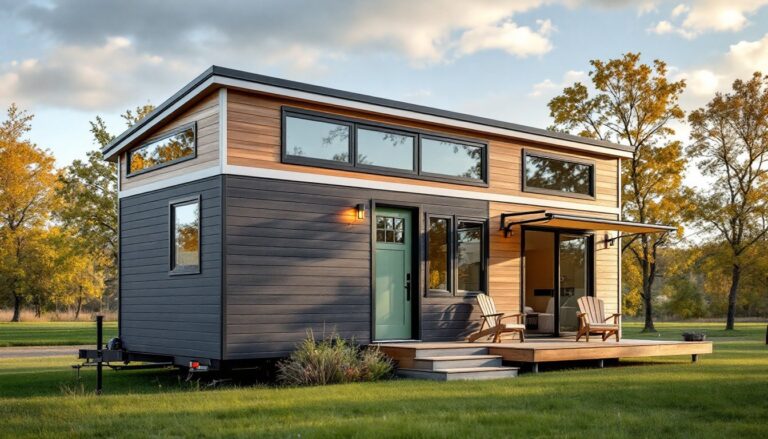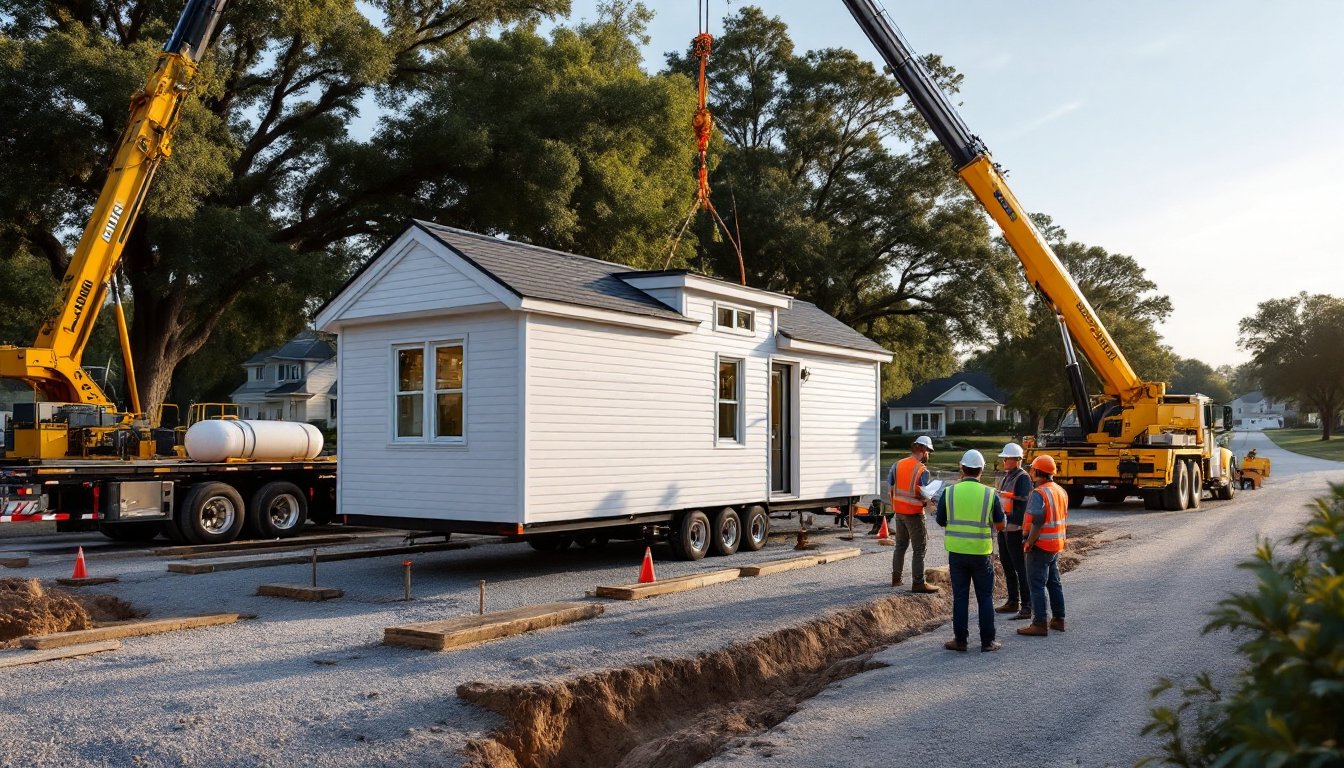
Getting a tiny home delivered isn’t like ordering furniture. These structures roll in on flatbed trailers, crane off transport vehicles, or arrive in modules that need precision placement. Whether it’s a RVIA-certified trailer model or a foundation-built structure, the logistics involve permits, utility hookups, and site prep that can make or break your timeline. This guide walks through the delivery process, site preparation, installation day expectations, costs, and final setup steps so the transition from order to occupancy goes smoothly.
Table of Contents
ToggleKey Takeaways
- Tiny home delivery and installation requires precise logistics planning, including permits, utility hookups, and site prep that can take weeks to execute properly.
- Site preparation must include a level pad (within 1/4 inch per 10 feet), a 14-foot-wide access path with 14-foot overhead clearance, and grading to direct water away from the structure.
- Total delivery costs vary widely—expect $1–$5 per mile for transport, plus $500–$2,000 for crane services, $3,000–$10,000 for engineered foundations, and $1,000–$5,000+ for utility installations.
- Installation day requires precision leveling (critical to prevent framing stress), proper anchoring for wind resistance, and utility hookups performed by licensed professionals with proof of liability insurance.
- Build a two-week timeline buffer for weather delays, and book deliveries during shoulder seasons (spring or fall) to save 10%–20% compared to peak summer rates.
- Post-installation inspections, skirting installation, and drainage refinement are essential to prevent rot, pest issues, and long-term structural problems.
Understanding the Tiny Home Delivery Process
Delivery methods vary based on tiny home type. RVIA-certified tiny homes on wheels (THOWs) typically arrive on their own trailer chassis, towed by a heavy-duty truck. These units are road-legal in most states but require oversize load permits if they exceed 8.5 feet wide or 13.5 feet high. Expect escort vehicles for wider models.
Foundation-built tiny homes often ship in one or two modules via flatbed trailer or specialized transport. A crane or forklift places the modules onto a pre-built foundation, typically a pier-and-beam system, concrete slab, or screw pile foundation. Some manufacturers deliver in panels that assemble on-site, which reduces transport restrictions but increases installation labor.
Delivery distance affects timing and cost. Local deliveries (under 100 miles) may take a single day. Cross-country hauls can span a week or more, with routing determined by bridge clearances, weight limits, and road restrictions. Manufacturers typically coordinate transport, but buyers should confirm who handles permitting, route planning, and liability during transit.
Weather delays are common. Rain can make unpaved access roads impassable for heavy rigs, and high winds ground crane operations. Build a two-week buffer into your timeline between scheduled delivery and any hard move-in dates.
Preparing Your Property for Tiny Home Delivery
Site prep begins weeks before delivery. The transport truck and any crane equipment need clear access, typically a 14-foot-wide path with 14-foot overhead clearance. Walk the route from the road to the placement site, noting low-hanging branches, utility lines, and tight turns. Many homeowners using professional contractors for site prep find the investment worthwhile to avoid last-minute complications.
The placement pad must be level within 1/4 inch per 10 feet and stable enough to support the home’s weight, typically 8,000 to 20,000 pounds depending on size and build materials. For THOWs staying on wheels, a compacted gravel pad at least 6 inches deep works well. Foundation models require engineered pier-and-beam, concrete slab, or helical pier systems. Local frost depth and soil type dictate specifics: consult your municipality’s building department.
Grade the surrounding area to direct water away from the structure. Standing water under a tiny home invites rot and pest issues. Install a vapor barrier under the home if the foundation is exposed to ground moisture.
Site Requirements and Utilities
Utility rough-ins should be complete before delivery day. For electrical service, most tiny homes require a 100-amp or 200-amp panel with RV-style 30-amp or 50-amp hookup for mobile units, or direct feed for foundation models. Hire a licensed electrician to trench lines and install the panel per NEC (National Electrical Code) requirements. Inspections are mandatory.
Water and sewer connections depend on whether the home is mobile or permanent. Foundation models typically connect to municipal water or a well, with standard 3/4-inch PEX or copper supply lines. Mobile units often use RV-style quick-connect fittings. For wastewater, options include municipal sewer, septic systems, or holding tanks. Septic installations require permits and perc tests in most jurisdictions.
Propane or natural gas lines need professional installation. If using propane, position the tank at least 10 feet from the home with clear access for refill trucks. Natural gas hookups require a licensed plumber and utility company coordination.
Internet and cable can be trenched alongside other utilities or added later. Verify cell signal strength if relying on mobile hotspots.
What to Expect During Installation Day
Plan for a full day, though complex installs can stretch to two or three. The delivery crew arrives early, often by 7 a.m., to maximize daylight hours. For THOWs, installation involves unhitching the home from the transport vehicle, positioning it on the pad, and leveling it using the trailer’s adjustable jacks or additional blocking. Leveling is critical: even a 1-degree tilt stresses framing and causes door and window issues. Use a 4-foot level on multiple walls to verify.
Foundation installations require a crane to lift modules off the flatbed and set them onto piers or the slab. Rigging points are pre-installed by the manufacturer. Crane operators need 20 feet of clearance around the lift zone and stable ground for outriggers. If assembling multiple modules, crews bolt them together and seal seams with spray foam and flashing.
Utility hookups happen after placement. The electrician connects the main panel, the plumber ties in water and sewer, and propane lines get pressure-tested. Some manufacturers include this in delivery: others require the buyer to coordinate separate trades.
Safety note: Keep bystanders at least 50 feet from the work zone during crane operations. Wear a hard hat if you’re on-site assisting. The crew should have liability insurance, ask for proof before work begins.
Final steps include anchoring. THOWs need ground anchors or tie-downs to resist wind uplift, especially in hurricane or tornado zones. Foundation models are secured with bolts through the framing into the foundation. Local building codes specify anchor spacing and capacity.
Costs and Logistics of Tiny Home Delivery
Delivery pricing varies widely based on distance, home size, and transport method. Local deliveries (under 50 miles) typically range from $1 to $3 per mile. Long-haul transport can cost $3 to $5 per mile or more, with minimum fees of $2,000 to $5,000. Oversize permits add $100 to $500 per state crossed, and escort vehicles run $150 to $300 per day.
Crane services for foundation models cost $500 to $2,000 for a half-day rental, depending on lift capacity and regional rates. Checking detailed project cost guides helps budget for these variables. Factor in site prep: grading and gravel pads run $500 to $2,000, while engineered foundation systems range from $3,000 to $10,000 depending on soil conditions and design requirements.
Utility installation is often the largest unexpected expense. Electrical service from the street to the home can cost $1,000 to $5,000 if trenching exceeds 100 feet. Septic systems range from $3,000 to $10,000. Well drilling adds $3,000 to $15,000 depending on depth. Municipal hookups may require tap fees of $500 to $5,000 per utility.
Insurance and permits add to the bottom line. Oversize transport requires commercial hauler insurance. Once placed, the home needs homeowner’s or tiny home-specific insurance, around $500 to $1,200 annually. Building permits for foundation models cost $200 to $2,000 depending on jurisdiction, with additional fees for electrical, plumbing, and mechanical inspections.
Timing affects cost. Summer is peak season for tiny home deliveries, and transport companies charge premiums. Booking in shoulder seasons (spring or fall) can save 10% to 20%. Always get written quotes covering mileage, permits, labor, and equipment before signing contracts.
Post-Installation Setup and Finishing Touches
Once the home is level and anchored, interior and exterior finishing begins. Manufacturers often leave trim, skirting, and deck installation to the buyer to reduce shipping damage. Skirting encloses the space under the home, improving insulation and blocking pests. Options include vinyl, metal, or pressure-treated wood. Install ventilation openings to prevent moisture buildup, one vent per 150 square feet of underfloor area is a common guideline.
Inspect all plumbing and electrical connections for leaks or loose fittings before covering walls or floors. Turn on water slowly and check under sinks, at toilet flanges, and around the water heater. Test every outlet, switch, and breaker. Addressing issues now avoids tearing out finishes later.
Add exterior steps or decks if the entry door sits more than 18 inches above grade. Pressure-treated lumber or composite decking withstands weather. Handrails are required by code for stairs with more than three risers.
Landscaping and drainage fine-tuning come next. Extend downspouts away from the foundation and grade soil for positive drainage. Mulch or gravel around the perimeter reduces mud splash and weed growth.
Final inspections depend on local requirements. Foundation models usually need a final building inspection and certificate of occupancy. THOWs on wheels may skirt inspections entirely if classified as RVs, but this varies by county. Confirm with your building department before assuming occupancy is legal.
Refining details from your moving checklist ensures nothing gets overlooked during the rush of setup. Unpack systematically, starting with essentials like bedding, toiletries, and kitchen basics. Tiny homes have limited storage, so editing belongings is ongoing work, embrace it as part of the lifestyle shift.
Conclusion
Tiny home delivery and installation demand as much planning as the build itself. From route surveys and utility rough-ins to crane logistics and final inspections, each step affects cost, timeline, and livability. Tackle site prep early, budget for hidden expenses like permits and trenching, and don’t skip safety protocols on installation day. With the right preparation, the transition from delivery to move-in becomes a manageable, even exciting, milestone.