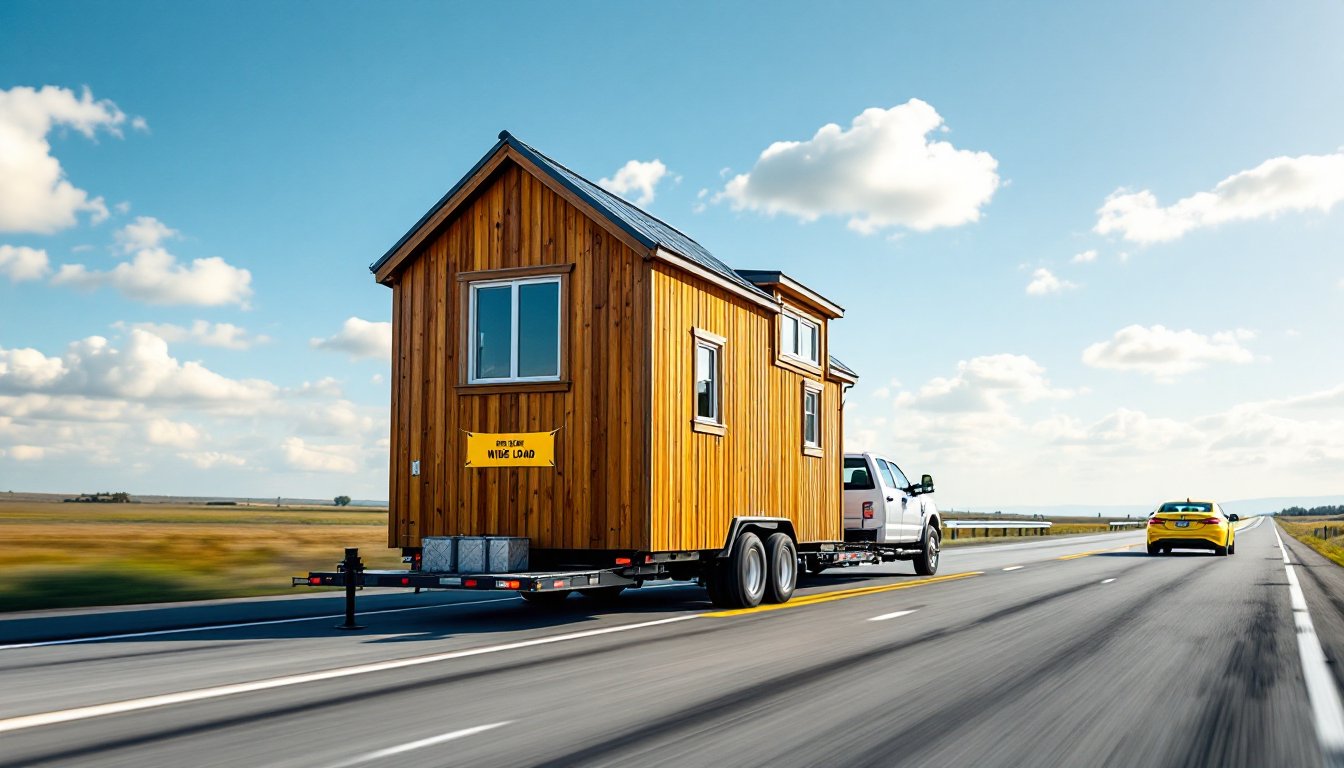
Moving a tiny house isn’t like calling a friend with a pickup truck. These structures, even the compact ones, can weigh 10,000 pounds or more and measure up to 13.5 feet tall. Whether you’re relocating across town or across state lines, you’ll need specialized equipment, proper permits, and often a commercial driver’s license. Tiny home movers handle the logistics, legal requirements, and heavy lifting so your house arrives intact. This guide covers what they do, what it costs, and how to prep your home for the road.
Table of Contents
ToggleKey Takeaways
- Tiny home movers are specialized transport professionals equipped to legally haul structures weighing 8,000–15,000 pounds with proper permits, insurance, and experience that standard moving companies don’t offer.
- Costs range from $1–5 per mile for local moves to $5,000–$10,000+ for cross-country transport, with permits, escorts, and setup fees adding significantly to the base price.
- Oversized loads exceeding 8.5 feet wide trigger strict DOT regulations, including pilot cars, route pre-approval, and state-specific permits that can cost up to $10,000 in fines if ignored.
- Prepare your tiny home at least two weeks before transport by securing interior components, inspecting the trailer, draining water systems, and securing roof-mounted items to prevent damage and delays.
- Choose experienced tiny home movers with verified DOT numbers, $1 million+ liability insurance, and transparent written estimates that itemize all costs to avoid corner-cutting on safety and compliance.
- Standard auto insurance doesn’t cover tiny home transport, so confirm you have a commercial transport policy or homeowner’s insurance rider before moving day to protect against liability.
What Are Tiny Home Movers and Why Do You Need Them?
Tiny home movers are transport specialists who haul structures built on trailers. Unlike standard moving companies that pack boxes, these crews move your entire house, walls, roof, utilities, and all. Most tiny homes sit on triple-axle trailers rated for 10,000 to 15,000 pounds. The home itself adds another 8,000 to 12,000 pounds depending on materials and finish level.
You can’t tow this safely with a consumer truck. The combination requires:
- A one-ton or larger pickup with a fifth-wheel or gooseneck hitch rated for the gross trailer weight (GTW)
- Commercial-grade trailer brakes and safety chains
- A driver with experience navigating wide loads through tight turns, low clearances, and variable road grades
Many states require a non-commercial Class A license or commercial driver’s license (CDL) for loads exceeding 26,000 pounds combined weight. If your tiny house measures over 8.5 feet wide, it’s legally an oversized load. That triggers additional requirements: pilot cars, specific travel hours, and route pre-approval from the Department of Transportation (DOT).
Hiring professional movers reduces risk. Improperly secured homes can shift during transport, cracking windows, tearing off siding, or, worst case, separating from the trailer. Insurance typically won’t cover DIY transport damages, and you’re liable for any road hazards you create.
Types of Tiny Home Moving Services Available
Not all movers offer the same package. Here’s what’s typically available:
Full-Service Transport
The mover provides the tow vehicle, driver, permits, pilot cars (if needed), and insurance. They handle route planning, coordinate utility disconnections, and often assist with setup at the destination. This is the most expensive option but removes all logistics from your plate.
Trailer-Only Towing
Your tiny home must already be on a roadworthy trailer. The mover supplies the truck and driver but expects you to handle permits and prep work. This works for shorter moves within the same county or state where oversized load rules are less complex.
Consulting and Coordination
Some companies don’t physically move homes but provide route surveys, permit filing, and contractor referrals. This is for owners who have their own equipment but need help navigating regulations.
Crane and Flatbed Services
If your tiny home wasn’t built on a trailer, or the existing trailer isn’t highway-rated, movers can lift the structure onto a flatbed semi-trailer using a crane. This adds significant cost but allows transport of homes originally placed on permanent foundations.
Always confirm what’s included. Some quotes cover only the drive time and fuel, leaving permits, escorts, and setup as add-ons.
How Much Does It Cost to Move a Tiny House?
Pricing varies widely based on distance, size, route complexity, and regional labor rates. Here’s a realistic breakdown:
Local Moves (under 50 miles): $1 to $5 per mile, with a minimum fee of $500 to $1,000. Simple moves on rural highways with no oversized permits cost less. Urban routes with tight corners or low bridges increase labor and planning time.
Regional Moves (50 to 500 miles): $3 to $5 per mile. Expect $1,500 to $2,500 for a 300-mile haul. Oversized loads trigger permit fees (typically $50 to $200 per state), and pilot car services add $150 to $300 per day.
Cross-Country Moves (500+ miles): $5,000 to $10,000 or more. Multi-state permits stack up quickly. Some states require separate permits for each county crossed. Factor in hotel costs if the move spans multiple days.
Additional Costs:
- Crane service: $500 to $1,500 if the home needs lifting or placement
- Utility disconnection/reconnection: $200 to $800 for electric, water, and septic hookups
- Escort vehicles: Required in many states for loads over 10 feet wide: budget $150 to $300 per escort per day
- Insurance: Comprehensive transport insurance runs $500 to $1,500 depending on home value
Get detailed quotes from at least three companies. Reputable moving professionals provide itemized estimates that separate base transport from permits, escorts, and setup fees. Beware of lowball bids that don’t include regulatory compliance, you’ll pay the difference in fines or delays.
Preparing Your Tiny Home for Transport
Proper prep prevents damage and keeps your move on schedule. Start at least two weeks before transport day.
Secure All Interior Components
- Remove or strap down loose furniture, appliances, and décor. Even small items become projectiles under braking.
- Lock cabinet doors and drawers with childproof latches or bungee cords. Standard magnetic catches don’t hold during transport.
- Disconnect propane tanks and store them separately. Most movers won’t transport homes with active propane systems due to fire risk.
- Drain water tanks, water heaters, and plumbing lines. Residual water adds weight and can freeze or slosh, causing leaks.
Exterior and Structural Checks
- Inspect the trailer frame, axles, and tires. Check tire pressure and tread depth. Replace any tire older than five years, even if tread looks good, rubber degrades with UV exposure.
- Test all trailer lights: brake lights, turn signals, and running lights. Rewire any faulty connections using 14-gauge automotive wire and weatherproof connectors.
- Secure or remove roof-mounted solar panels, vents, and antennas. High-profile items catch wind and low-clearance obstacles.
- Check siding, trim, and roofing for loose fasteners. Reinforce with extra screws or construction adhesive if needed.
Document Everything
Take photos and video of your home’s condition before transport. Document any existing damage. This protects you if an insurance claim arises.
Utilities and Hookups
Hire a licensed electrician to disconnect shore power if your home was plugged into a permanent panel. Improper disconnection can damage your home’s electrical system or violate local codes. Budget $100 to $300 for professional utility disconnection.
Permits, Regulations, and Legal Requirements
Every state regulates oversized loads differently. Ignoring permit requirements can result in fines up to $10,000 and your home being impounded mid-route.
Width, Height, and Weight Limits
Most states allow loads up to 8.5 feet wide without a permit. Anything wider requires an oversized load permit. Standard height limits range from 13.5 to 14 feet, but bridges and overpasses may have lower clearances. Your mover should conduct a route survey to identify obstacles.
Weight limits depend on axle count and spacing. A triple-axle trailer distributes weight better than a dual-axle, reducing road wear and making permits easier to obtain. Weigh your loaded tiny home at a truck scale before applying for permits.
State-Specific Permits
Each state you pass through requires its own permit. Processing times vary from same-day to two weeks. Some states (like California) require advance notice and restrict oversized loads to weekdays between 8 a.m. and 4 p.m. Others ban wide loads during holiday weekends.
Pilot Cars and Escorts
Loads over 10 feet wide typically require one pilot car (also called an escort vehicle). Loads over 12 feet wide may need front and rear escorts. Pilot car drivers must be certified in many states, so you can’t just ask a friend to follow you with flashers on.
Insurance and Liability
Standard auto insurance doesn’t cover tiny home transport. You need a commercial transport policy or a rider on your homeowner’s insurance. Confirm coverage limits with your insurer before the move.
Work with reputable contractors who specialize in local regulations, they’ll file permits, coordinate escorts, and ensure your route complies with DOT rules.
Choosing the Right Tiny Home Moving Company
Not all haulers understand the unique challenges of tiny homes. Vet candidates carefully.
Experience and Specialization
Ask how many tiny homes they’ve moved and request references. A company that primarily hauls construction equipment won’t have the same finesse as one that specializes in residential structures. Request photos of recent moves and contact previous clients.
Licensing and Insurance
Verify the company holds a US DOT number and is registered with the Federal Motor Carrier Safety Administration (FMCSA). Check their safety rating at safer.fmcsa.dot.gov. Confirm they carry at least $1 million in liability insurance and cargo insurance that covers your home’s replacement value.
Transparent Quoting
Get written estimates that itemize:
- Base transport fee (per mile or flat rate)
- Permit costs
- Pilot car fees
- Fuel surcharges
- Setup or placement services
Compare quotes from multiple providers using verified service platforms to ensure fair pricing. Beware of verbal estimates or companies that won’t provide a written contract.
Communication and Planning
A good mover conducts a pre-move inspection, discusses your route, and explains contingency plans for weather delays or road closures. They should answer questions about permitting and timeline without evasion.
Red Flags
- No physical business address or DOT number
- Requests for large cash deposits (standard is 10-25% via check or credit card)
- Refusal to provide proof of insurance
- Generic contracts that don’t specify your home’s dimensions or destination
Tiny home transport isn’t a commodity service, cheap bids often mean corner-cutting on permits, insurance, or equipment maintenance.
Conclusion
Moving a tiny house requires planning, proper equipment, and legal compliance. Start early: get quotes, secure permits, and prep your home at least a month before your move date. Hire experienced movers who specialize in residential structures and carry full insurance. With the right team and thorough preparation, your compact home will arrive ready to settle into its next location.