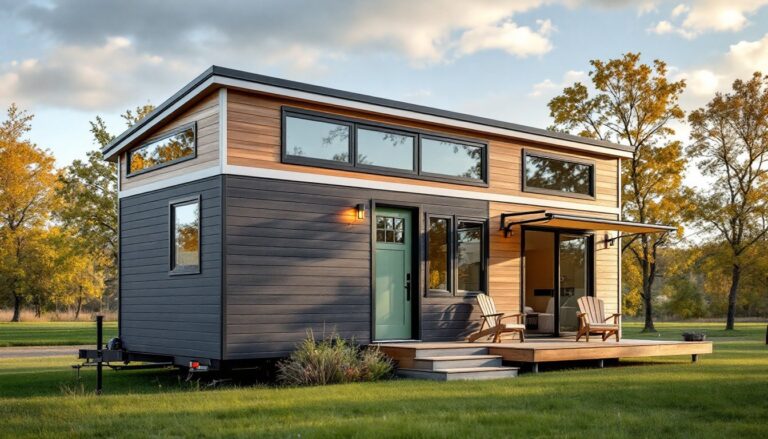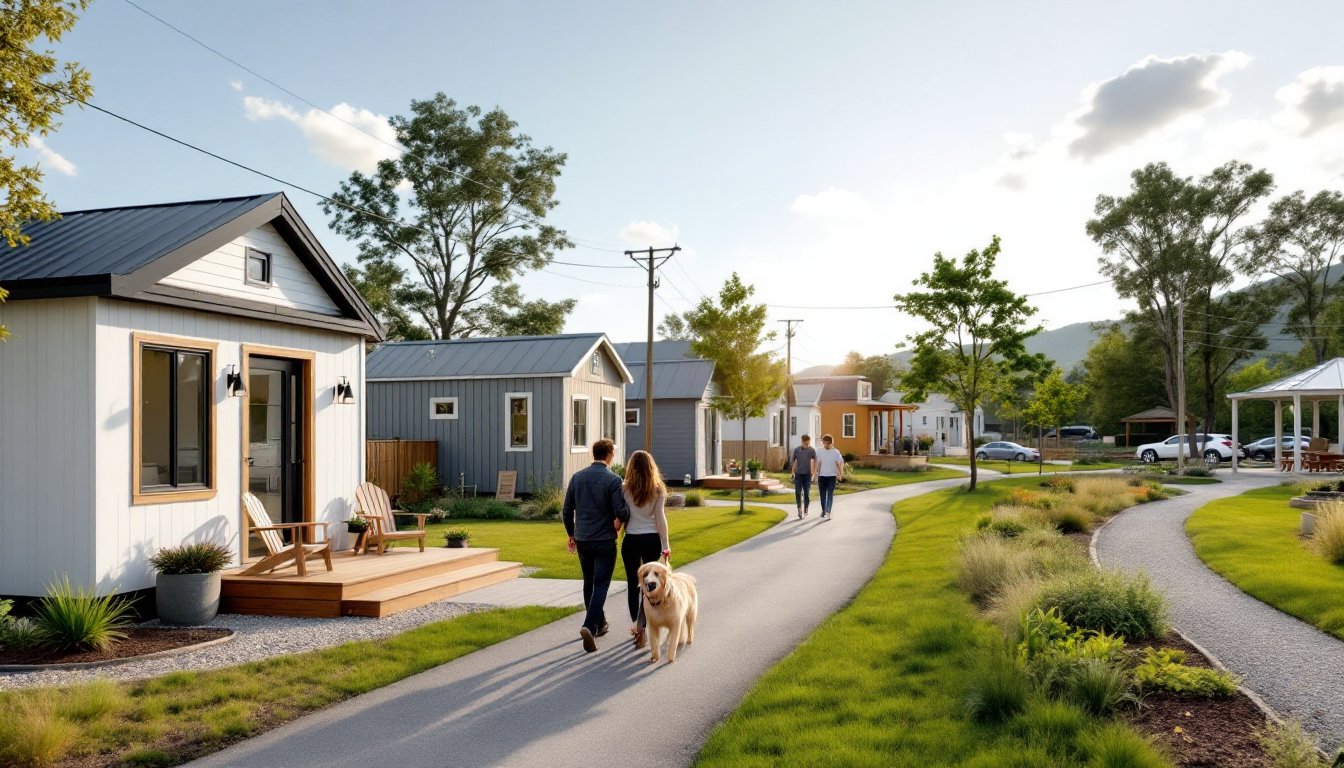
Tiny home living has shifted from fringe experiment to legitimate housing solution, and Creekwalk Tiny Home Community is one of the clearest examples of how this model can actually work. If you’re weighing downsizing options, tired of spiraling housing costs, or just curious about what tiny living looks like in practice, Creekwalk offers a blueprint worth studying. This isn’t a weekend glamping retreat, it’s a legal, permitted residential community built for year-round living, with infrastructure that supports both sustainability goals and everyday function.
Table of Contents
ToggleKey Takeaways
- Creekwalk Tiny Home Community is a legal, permitted residential development where residents can establish primary residency and access municipal utilities, distinguishing it from informal RV parks and proving tiny home living is a legitimate housing solution.
- Expect total costs between $50,000–$240,000 depending on home type and customization, plus monthly lot leases of $400–$800 or lot purchases of $30,000–$80,000, with financing available through credit unions and specialty lenders offering better terms than standard mortgages.
- Tiny home communities prioritize shared amenities like green spaces, community gardens, tool libraries, and clubhouses, while requiring residents to embrace minimalism and make strategic design choices about space—like loft versus ground-floor bedrooms and kitchen layout.
- Creekwalk communities work best for singles, couples, and empty nesters who prioritize sustainability and minimal possessions; families with children typically outgrow the 300–400 square foot homes within a few years.
- The application and move-in process requires 3–12 months from inquiry to occupancy, including background checks, CC&R review, financing, home delivery (costing $2–$5 per mile), utility hookup, and local inspections to ensure code compliance.
- Storage and space management become non-negotiable in tiny home living, making decluttering and intentional design choices essential to avoid claustrophobia and maximize functionality in compact floor plans.
What Is Creekwalk Tiny Home Community?
Creekwalk Tiny Home Community is a planned residential development specifically designed for tiny houses on permanent foundations or certified park model RVs. Unlike informal parking arrangements or short-term rental parks, Creekwalk operates under local zoning codes that recognize tiny homes as legal dwelling units, which means residents can establish primary residency, receive mail, and register to vote at their address.
The community typically features individual lots ranging from 400 to 800 square feet, with the tiny homes themselves measuring between 200 and 400 square feet of interior space. Each lot includes utilities hookups, water, sewer, electric, and often natural gas or propane, plus designated outdoor space for porches, gardens, or storage sheds.
This isn’t off-grid living. Creekwalk connects to municipal or private utility services and follows International Residential Code (IRC) Appendix Q standards for tiny houses where applicable, though local amendments vary. That compliance is what separates a legal tiny home community from a glorified RV park.
Location and Accessibility
Creekwalk is located in areas where local governments have amended zoning to allow tiny home communities, often in suburban or semi-rural settings within 30 to 60 minutes of larger metro areas. Accessibility depends on the specific site, but most developments prioritize proximity to highways, grocery stores, and employment centers.
Expect gravel or paved internal roads, guest parking areas, and in some cases, public transit connections. If you’re used to walkable urban neighborhoods, understand that many tiny home communities require a vehicle for errands and commuting. The trade-off is lower density, more green space, and reduced noise compared to apartment living.
Affordability and Costs: What to Expect
The financial picture breaks into three parts: lot lease or purchase, the tiny home itself, and ongoing costs.
Lot costs vary widely. Some Creekwalk-style communities offer monthly lot leases ranging from $400 to $800, covering water, sewer, trash, and sometimes internet. Others sell lots outright for $30,000 to $80,000, which builds equity but requires upfront capital or financing.
Tiny home purchase or build is the bigger expense. A factory-built, certified tiny house on wheels (THOW) or park model RV runs $50,000 to $90,000 for a turnkey unit with basic finishes. Custom builds or site-built permanent foundation homes can reach $80,000 to $150,000 depending on materials, fixtures, and whether you’re hiring out or doing some finish work yourself.
Ongoing costs include:
- HOA or community fees: $50–$150/month for common area maintenance, snow removal, or amenities
- Utilities: $80–$200/month depending on climate and insulation quality
- Insurance: $400–$800/year for a tiny home policy (standard homeowners’ insurance often doesn’t apply)
- Property tax: If you own the lot, expect annual taxes based on local assessments, typically lower than a traditional home but not zero
Financing a tiny home is trickier than a conventional mortgage. Many lenders classify them as RVs or personal property, which means higher interest rates (6%–10%) and shorter terms (10–15 years). Some credit unions and specialty lenders offer better terms if the home is on a permanent foundation and meets IRC standards.
For budget-conscious DIYers, buying a shell and finishing the interior yourself can cut costs by 20%–30%, but be honest about your skill level. Electrical, plumbing, and HVAC work often require permits and inspections, doing it wrong won’t just fail inspection, it’ll void your insurance and resale value.
Community Features and Amenities
Amenities vary by community, but Creekwalk-style developments typically include:
- Shared green spaces and walking trails for recreation and pets
- Community garden plots (usually 10×10 or 10×20 feet per household)
- Tool library or workshop with basic power tools, miter saws, drills, and hand tools for resident use
- Clubhouse or common building with laundry facilities, meeting space, and sometimes a kitchenette for events
- Dedicated parking for guests and overflow vehicles
- Pet-friendly policies with designated dog run areas
Some communities add extras like outdoor fire pits, covered pavilions, or shared EV charging stations. These features often correlate with higher HOA fees, so weigh what you’ll actually use.
Internet access is critical if you work remotely. Many communities include basic fiber or cable internet in lot fees, but confirm speeds before signing. Rural tiny home parks sometimes rely on satellite or fixed wireless, which can be laggy for video calls.
Storage is another consideration. Most tiny homes include a sleeping loft and minimal closet space, so small space living ideas become essential. Some communities allow detached storage sheds up to 120 square feet, but check covenants, restrictions on shed size, materials, and placement are common.
Design and Customization Options for Your Tiny Home
Tiny home design falls into three categories: factory-built park models, certified THOWs, and site-built permanent structures.
Park models are built to ANSI A119.5 standards, which cover RV-style construction. They’re road-towable (with the right truck and permits) and often include standard RV appliances and finishes. Customization is limited to floor plan selection and basic finish upgrades, think cabinet color, countertop material, and appliance tier.
THOWs offer more design flexibility if you’re working with a custom builder or going DIY. You’ll choose framing (usually 2×4 studs on 16-inch centers to save weight), roofing (metal or architectural shingles), and insulation type (spray foam is popular but pricey: mineral wool is a solid DIY-friendly alternative). Loft height, window placement, and door swing direction all matter in a 200-square-foot footprint, measure twice, frame once.
Site-built tiny homes on permanent foundations must meet local building codes, which means standard 2×6 exterior walls in cold climates, proper vapor barriers, and IRC-compliant egress windows in sleeping areas. You’ll need a foundation (slab, crawl space, or pier-and-beam), which adds $5,000–$15,000 depending on soil conditions and frost depth.
Key customization choices:
- Loft vs. ground-floor bedroom: Lofts save space but require climbing a ladder nightly. Not ideal if mobility is a concern.
- Composting vs. standard toilet: Composting units like Nature’s Head reduce water use but require regular maintenance. Standard flush toilets need sewer hookup.
- Mini-split HVAC vs. propane heat: Mini-splits are efficient and handle both heating and cooling, but upfront cost runs $1,500–$3,000 installed. Propane wall heaters are cheaper but don’t cool.
- Galley vs. L-shaped kitchen: Galley kitchens maximize counter space: L-shaped layouts feel more open if you entertain.
For those tracking home design trends, tiny homes increasingly incorporate sustainable materials, reclaimed wood siding, low-VOC paints, and LED lighting are standard in newer builds. Solar panel pre-wiring is common, even if you don’t install panels immediately.
Pro tip: If you’re doing any finish carpentry (trim, cabinetry, built-ins), a compound miter saw is worth borrowing or renting. Cutting precise angles in tight quarters is where a circular saw will frustrate you.
Living in a Tiny Home Community: Pros and Cons
Pros:
- Lower cost of entry compared to traditional home ownership in most markets
- Reduced utility bills due to smaller square footage and better insulation in newer builds
- Built-in community with neighbors who share similar values around minimalism and sustainability
- Less maintenance burden, no large yard to mow, fewer systems to repair
- Flexibility if you own a THOW: you can relocate if the community isn’t a fit (though moving a tiny house isn’t trivial)
Cons:
- Limited storage forces hard decisions about possessions: if you can’t let go of things, tiny living will feel claustrophobic
- Zoning and legal uncertainty in some jurisdictions: not all areas recognize tiny homes as legal dwellings, which can affect resale
- Financing challenges make it harder to leverage low interest rates or access conventional mortgages
- Close quarters with neighbors mean noise, pets, and lifestyle habits are more noticeable
- Resale market is narrow, you’re selling to a niche audience, and market conditions can leave you waiting months for a buyer
- Hosting guests requires creativity: overnight visitors often mean someone’s sleeping in a loft or on a convertible couch
Honestly, tiny living works best for singles, couples, or empty nesters who prioritize experiences over possessions and don’t need dedicated home office or hobby space. Families with kids can make it work short-term, but most outgrow a 300-square-foot home within a few years.
For practical strategies on managing limited space, decluttering guides become non-negotiable. You can’t fake organization in a tiny home, every item needs a designated spot, or chaos sets in fast.
How to Join Creekwalk Tiny Home Community
The application process typically includes:
- Submit an inquiry or application through the community’s website or management office. Expect to provide income verification, rental history, and a background check authorization.
- Tour the community and review the covenants, conditions, and restrictions (CC&Rs). These documents dictate everything from exterior paint colors to pet policies and noise rules. Read them carefully, some communities have strict aesthetic guidelines or prohibit certain modifications.
- Choose your lot if multiple options are available. Corner lots often cost more but offer extra privacy. Interior lots may back up to common areas or other homes.
- Secure financing for your tiny home if needed. Shop around, credit unions, specialty tiny home lenders, and some RV lenders all operate differently. Get pre-approved before making deposits.
- Place your order or purchase your home. If you’re buying factory-built, lead times can run 3–6 months. Custom builds or DIY projects may take 6–12 months depending on your pace and permitting.
- Coordinate delivery and setup. Moving a tiny house requires a heavy-duty truck, wide-load permits, and sometimes utility line lifts. If you’re not experienced, hire a professional transport company. Budget $2–$5 per mile for transport, with minimum fees around $1,000.
- Complete utilities hookup and inspections. Even if your home is pre-certified, local inspectors often want to verify electrical, plumbing, and gas connections. Don’t skip this, failed inspections can delay occupancy and void insurance.
- Move in and settle. Plan for a shakedown period where you’ll discover what works and what doesn’t. Most tiny home owners tweak storage solutions, rearrange furniture, and add hooks or shelves in the first few months.
Some communities have waitlists, especially in high-demand areas. If Creekwalk or similar communities are full, ask to be added to a notification list for future lot availability.