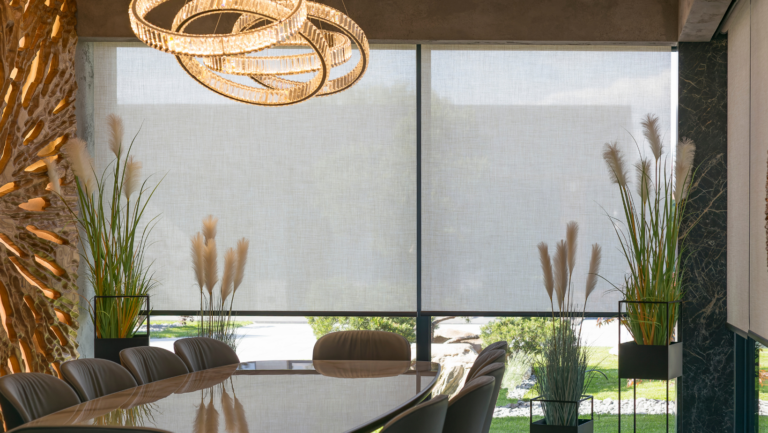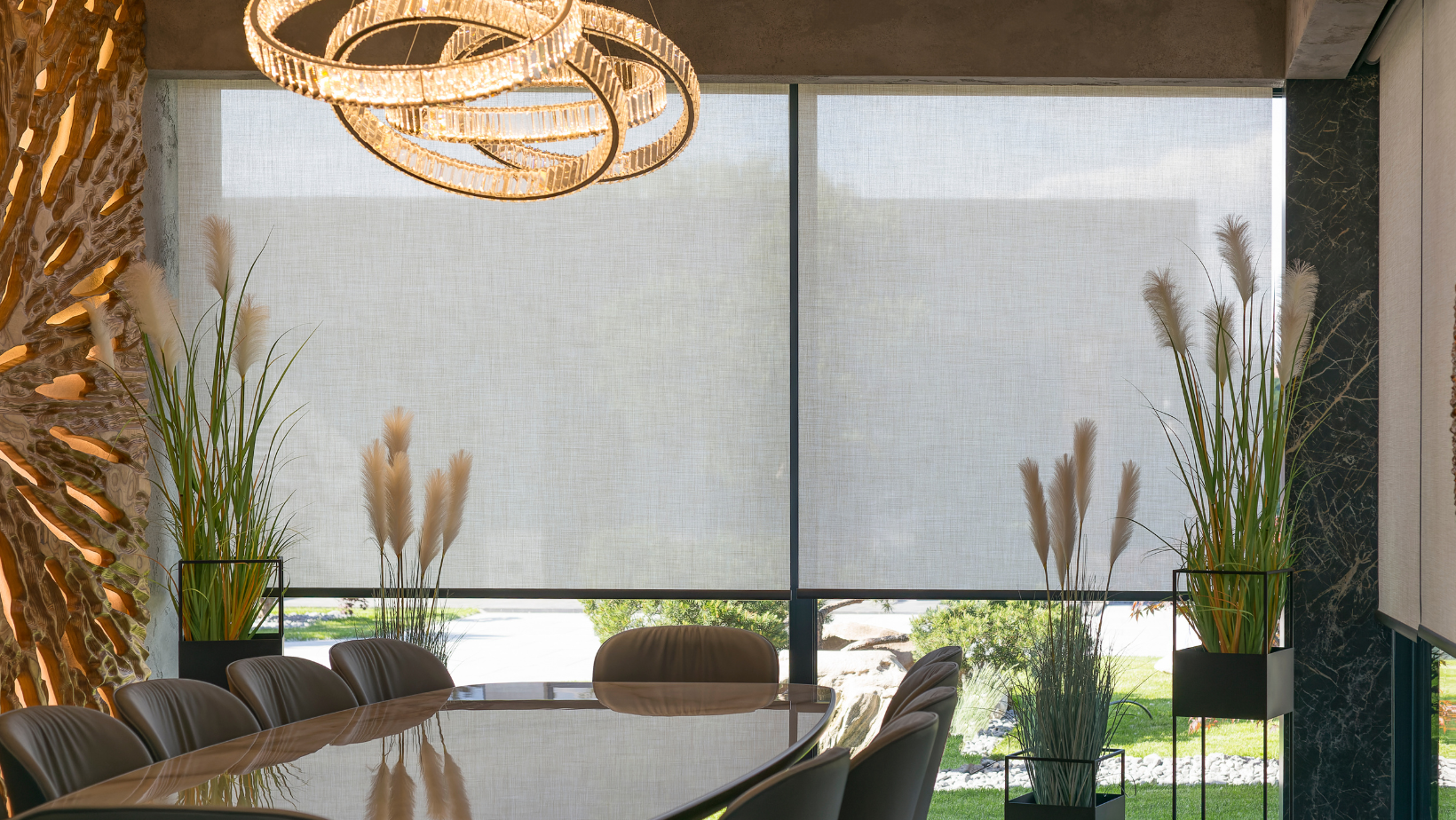
Window dressings are one of those decisions that homeowners often leave until last — an afterthought once the paint has dried and the furniture is in place. But the right blinds do something no curtain rail or paint colour can: they control light, privacy, temperature, and atmosphere all at once. Get them right and a room transforms. Get them wrong and even a beautifully decorated space can feel incomplete.
Whether you're furnishing a new build, updating a dated interior, or simply tired of the beige roller blinds that came with the house, this guide covers everything you need to know — from understanding the different types of blind to getting a perfect, professional fit.
Table of Contents
ToggleWhy blinds? The case over curtains
Curtains have their place — particularly in living rooms and bedrooms where softness and drama are part of the brief. But blinds offer a set of practical advantages that make them the smarter choice in many situations.
They sit closer to the glass, which means less heat loss in winter and better light control throughout the day. They take up almost no space when open, making them ideal for smaller rooms, bay windows, or any window above a radiator or worktop. And in kitchens and bathrooms — where moisture and splashes are a daily reality — quality blinds are simply more durable and easier to maintain than fabric curtains.
There's also an aesthetic argument. Modern blinds offer extraordinary variety in material, colour, texture, and mechanism — from the tailored elegance of a Roman blind in a heritage linen to the effortless minimalism of a motorised roller in a neutral weave. The range has never been broader, or better.
Understanding the main types of blind
Roller blinds
Clean, versatile, and easy to operate. Available in hundreds of fabrics from blackout to sheer.
Roman blinds
Fabric folds into neat pleats when raised. Adds warmth and texture; suits traditional and modern interiors alike.
Venetian blinds
Horizontal slats in wood, faux wood, or aluminium. Precise light control and a timeless, tailored look.
Vertical blinds
Best for large windows and patio doors. Excellent light control and easy to clean.
Day & night blinds
Alternating sheer and opaque bands give flexible light filtering at any position.
Pleated & cellular
Superior insulation in a neat honeycomb structure. Ideal for conservatories and roof windows.
Blackout vs light-filtering: getting the balance right
One of the most important decisions when choosing any blind is how much light you want to control. Blackout fabrics block virtually all incoming light — essential for bedrooms, nurseries, or home cinemas. Light-filtering fabrics soften and diffuse daylight, maintaining brightness while reducing glare. Sheer fabrics provide almost no privacy but beautifully frame a view and flood a room with natural light.
Many homeowners find that a layered approach works best: a blackout roller for night-time privacy with a sheer panel for daytime softness, for example. Day and night blinds achieve this in a single mechanism, making them a practical and popular choice.
"The right blind doesn't just dress a window — it defines how a room feels from the moment you walk in."
The case for professional fitting
Off-the-shelf blinds from a DIY store might seem like an easy win, but the gap between a correctly measured and professionally fitted blind and one that's slightly too short, pulls at an angle, or leaves a gap down one side is immediately and permanently obvious. Windows are rarely perfectly square, walls are rarely perfectly flat, and recesses can vary by several millimetres from top to bottom.
Professional blind fitters measure accurately, account for these variations, and fit each blind so it sits precisely — no gaps, no tilting, no brackets pulling away from the frame six months later. They'll also advise on the best fitting method for your window type (inside the recess, outside, or face-fixed to a wall), and handle the kind of tricky installations — bay windows, roof windows, awkward alcoves — that are genuinely difficult to get right without experience.
Companies like blindsfitted4u combine a wide range of made-to-measure blinds with expert fitting, meaning you get the right blind for the right window, correctly installed first time — without the measuring tape guesswork or the trip back to the shop.
Motorised blinds: the upgrade worth considering
Smart home technology has transformed window blinds in recent years. Motorised blinds — controlled by remote, wall switch, app, or voice assistant — were once the preserve of high-end commercial interiors. Today they're accessible, reliable, and genuinely transformative for everyday home life.
The practical benefits are real: no cords to tangle or fade, effortless operation for hard-to-reach windows above stairs or in high-ceilinged rooms, and the ability to set schedules so blinds open with your alarm and close at dusk automatically. For families with young children, cordless operation also removes a serious safety risk — cords on window blinds remain one of the leading causes of accidental strangulation in small children.
If you're already planning new blinds throughout the house, it's worth pricing motorised options at the outset — retrofitting later is always more disruptive and expensive than specifying upfront.
Caring for your blinds
Well-chosen and properly fitted blinds will last many years with minimal maintenance. The basics are straightforward: dust regularly with a soft cloth or the brush attachment of a vacuum, and deal with marks promptly before they set. For fabric blinds, most manufacturers recommend professional cleaning rather than machine washing, which can distort the fabric or damage the mechanism. Wooden Venetians benefit from an occasional wipe with a lightly dampened cloth followed by drying immediately — prolonged moisture contact will cause warping.
If a mechanism begins to stiffen or a cord starts to fray, address it early. Most quality blind suppliers offer a repair service, and replacing a mechanism is far cheaper than replacing the whole blind.
Child safety note
Since 2014, new blinds sold in the UK must comply with BS EN 13120, which requires either cordless operation or a tied-back cord system that prevents a loop forming. If you have older corded blinds in a home with young children, replacing them with cordless or motorised alternatives is strongly recommended.
Getting the most from your investment
Blinds represent one of the best-value investments in a home's interior. Compared to curtains, they require less fabric and less maintenance; compared to shutters, they're significantly more affordable; and compared to both, they offer greater flexibility to change your look as your interior evolves. A well-fitted Roman blind in a quality fabric will outlast multiple sets of curtains and never go out of style.
The key is taking the time to choose well — matching the type, fabric, and finish to the room's function and aesthetic — and then having them fitted by someone who knows what they're doing. The difference in result between a rushed DIY job and a professional installation is stark, and it's one of those things you notice every single day.
Ready for perfectly fitted blinds?
blindsfitted4u offer a wide range of made-to-measure blinds across all styles and fabrics, with professional fitting throughout the UK. Whether it's a single bedroom window or a whole-house transformation, their team will measure, advise, and install to an exacting standard.