South Carolina’s tiny home movement isn’t just a lifestyle trend, it’s a practical housing solution gaining traction across the state. With affordable land, mild winters, and a growing network of communities designed specifically for downsized living, SC offers a compelling option for retirees, remote workers, and anyone looking to reduce their housing footprint. But navigating zoning laws, finding established communities, and understanding what you’re actually signing up for requires more than watching YouTube tours. This guide covers the real details: where these communities exist, what they cost, and how local regulations shape your options.
Table of Contents
ToggleKey Takeaways
- South Carolina’s tiny home communities offer affordable housing solutions ranging from $40,000–$100,000 for the home itself, with lot prices between $25,000–$50,000, making them significantly cheaper than traditional housing in the state.
- Zoning regulations for tiny home communities in South Carolina vary by county, with Oconee, Anderson, and Horry counties being the most flexible, so verify zoning approval in writing with your county planning department before purchasing.
- Total monthly living costs for a tiny home community range from $350–$600 for owned lots (excluding mortgage) compared to $1,100/month average rent for a one-bedroom apartment, delivering measurable savings for downsizers.
- Top established tiny home communities include SimpleLIFE Tiny Homes in Anderson County, Tiny Estates in Oconee County, and Carolina Shores near Myrtle Beach, each offering utilities, amenities, and community features.
- Financing options for tiny homes include RV loans (5–8% interest), personal loans, or cash purchases, since traditional mortgages rarely cover tiny home purchases.
- Before joining a tiny home community, visit in person, talk to current residents about HOA responsiveness and code enforcement, and confirm your home type (THOW, park model, or foundation-built) meets local building standards.
What Are Tiny Home Communities and Why Are They Growing in South Carolina?
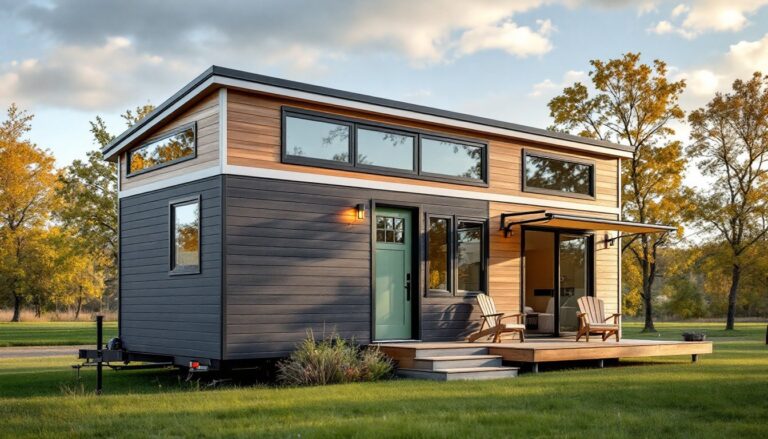
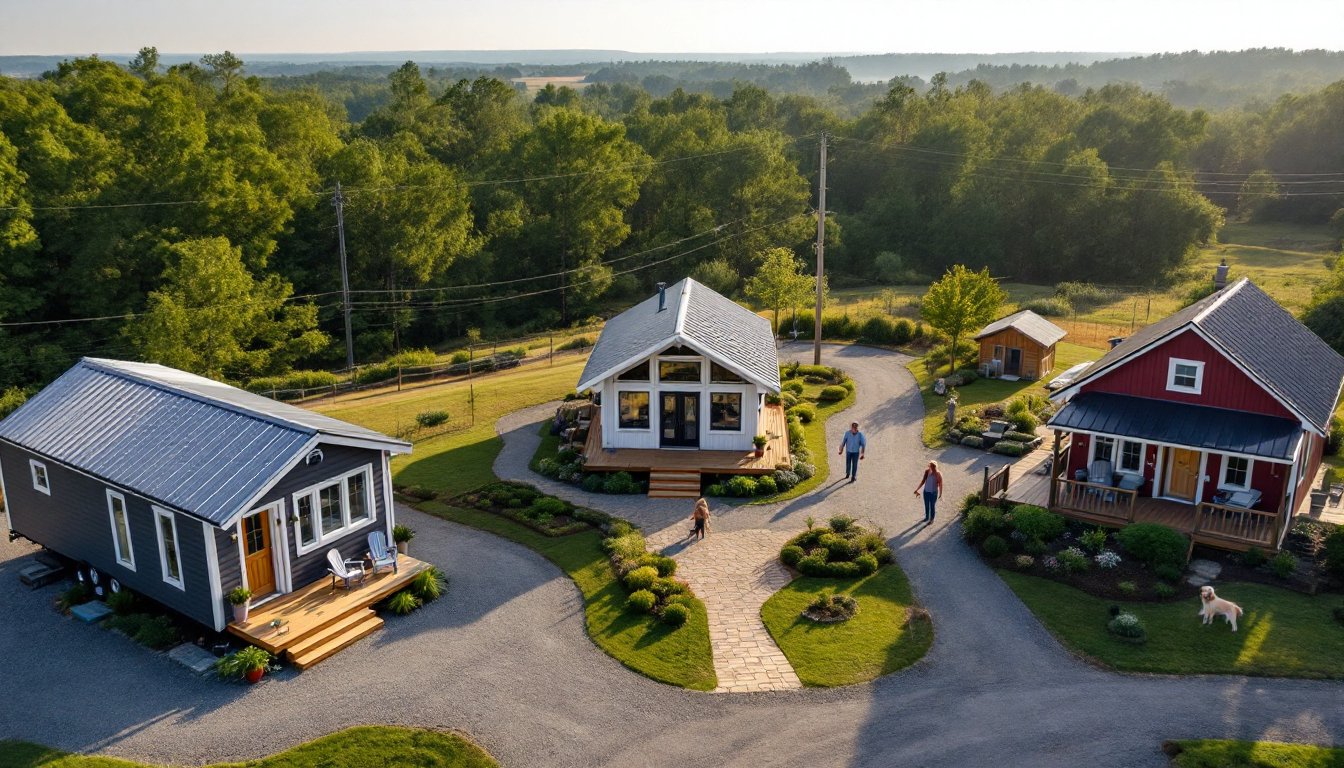
A tiny home community is a residential development where multiple small-footprint dwellings, typically under 400 square feet, share common infrastructure and amenities. Unlike parking a tiny house on wheels in someone’s backyard, these communities offer legal placement, utilities hookups, and often shared spaces like gardens, workshops, or clubhouses.
South Carolina’s growth comes down to three factors: affordability, climate, and regulatory flexibility in certain counties. The state’s median home price hovers around $280,000, pushing many buyers toward alternative housing. Tiny homes, whether park models or THOWs (Tiny Houses on Wheels), cost roughly $40,000–$100,000 depending on finish level and whether you build or buy turnkey.
The climate matters. Unlike Northern states where winterizing a tiny home requires expensive insulation and heating systems, SC’s mild winters (average low around 35°F in January) reduce infrastructure demands. And while statewide building codes don’t explicitly embrace tiny homes, counties like Oconee, Anderson, and Horry have adopted flexible ordinances allowing accessory dwelling units (ADUs) or RV-style communities.
Tiny home communities also attract remote workers and retirees looking to downsize without sacrificing community. Many buyers appreciate small space living ideas that prioritize function over square footage, a mindset that aligns with tiny home design principles.
Top Tiny Home Communities in South Carolina
As of 2026, South Carolina hosts a mix of established communities and developments in planning stages. Here are the most notable:
1. SimpleLIFE Tiny Homes – Anderson County
This development offers 1/4-acre lots for tiny homes on foundations or permanent chassis. Utilities include city water, septic, and electric hookups. Homes must meet a minimum of 300 square feet and follow architectural guidelines for exterior finishes. Monthly HOA dues run approximately $150, covering road maintenance and shared green spaces.
2. Tiny Estates – Oconee County
One of the state’s earliest purpose-built tiny home communities, Tiny Estates features 18 lots with full utilities. Residents own their land and can build or place certified park models. The community emphasizes sustainability, with solar panel options and rainwater collection systems. Lots start around $35,000.
3. Carolina Shores RV & Tiny Home Resort – Myrtle Beach Area
This coastal community allows both RVs and certified tiny homes. It’s geared toward short-term stays and seasonal residents, but long-term leases are available. Amenities include a pool, dog park, and beach access. Monthly site rent averages $600–$800.
4. Freedom Ridge – Pickens County (In Development)
Slated for completion in late 2026, Freedom Ridge will offer 30 tiny home sites on a 12-acre parcel. Developers are working with Pickens County to ensure compliance under ADU ordinances. Projected lot prices: $28,000–$40,000.
Note: Most South Carolina tiny home communities require homes to meet ANSI A119.5 standards (for park models) or RVIA certification (for THOWs). If you’re building custom, confirm your structure qualifies before purchasing land.
Zoning Laws and Regulations for Tiny Homes in South Carolina
South Carolina has no statewide tiny home building code. Regulations fall to county and municipal governments, creating a patchwork of rules. Here’s what you need to know.
Foundation vs. Wheels
Tiny homes on permanent foundations are generally treated as accessory dwelling units (ADUs) or single-family dwellings if they meet the International Residential Code (IRC) minimums: at least one room of 120 square feet, with other rooms no smaller than 70 square feet, and ceiling heights of 6’8″ in habitable spaces.
Tiny homes on wheels fall under RV classifications in most counties. If your THOW has RVIA certification, you can place it in RV parks or communities zoned for recreational vehicles. Without certification, you’re in a gray area, some counties allow them as temporary structures, others don’t permit them at all.
County-by-County Variance
- Oconee County: Allows tiny homes on private land as ADUs with a primary dwelling present.
- Anderson County: Permits tiny home communities under planned development ordinances.
- Charleston County: Restrictive. Most municipalities require minimum square footage of 600 square feet for permanent dwellings.
- Horry County: Flexible on RV-classified tiny homes in designated parks.
Permits and Inspections
Even in permissive counties, expect to pull permits for electrical, plumbing, and septic systems. Budget $500–$1,200 for permit fees. If your tiny home community offers shared utilities, the developer typically handles infrastructure permitting.
Setbacks and Utility Hookups
Most counties require 10–15 foot setbacks from property lines. If you’re on a well and septic, you’ll need a perc test to confirm soil drainage, cost runs $300–$600. City water and sewer hookups simplify the process but add tap fees, often $1,500–$3,000.
Pro Tip: Before buying land or joining a community, confirm zoning in writing with the county planning department. Verbal assurances from sellers don’t hold up when the building inspector shows up.
Cost of Living in a South Carolina Tiny Home Community
Breaking down the real costs helps avoid surprises. Here’s what to budget:
Land or Lot Purchase
- Owned lots in tiny home communities: $25,000–$50,000
- Leased sites: $400–$800/month
Tiny Home Purchase or Build
- Turnkey park models (ANSI-certified): $50,000–$90,000
- Custom builds: $60,000–$120,000 depending on finishes and whether you DIY
- Used THOWs: $30,000–$60,000
Utilities
- Electric: $60–$120/month (less with solar panels)
- Water/Sewer: $30–$70/month
- Propane (if used for heat/cooking): $30–$80/month in winter
- Internet: $50–$100/month
HOA or Community Fees
Most communities charge $100–$200/month for road maintenance, trash pickup, and amenity upkeep.
Property Taxes
South Carolina’s effective property tax rate averages 0.55%, one of the lowest in the nation. A tiny home on a $40,000 lot might see annual taxes around $220–$300. If your home is classified as an RV, it may be taxed as personal property instead.
Insurance
Tiny homes on foundations can sometimes qualify for standard homeowners insurance, averaging $600–$1,000/year. THOWs require specialized RV or tiny home insurance, running $500–$900 annually.
Total Monthly Estimate (excluding mortgage/loan):
- Owned lot: $350–$600/month
- Leased site: $800–$1,300/month
For comparison, the median rent for a one-bedroom apartment in South Carolina is about $1,100/month, making tiny home living a measurable savings, if you’re comfortable with the trade-offs.
Amenities and Lifestyle Benefits
Tiny home communities offer more than just a parking spot. Shared amenities and intentional design create a lifestyle distinct from traditional neighborhoods.
Common Amenities
- Community gardens: Many residents grow vegetables in raised beds or shared plots.
- Tool libraries: Shared workshops with table saws, miter saws, and hand tools reduce the need for personal storage.
- Clubhouses or common areas: Indoor gathering spaces for events, co-working, or laundry facilities.
- Dog parks and trails: Outdoor space compensates for smaller living footprints.
- Parking for full-size vehicles: Tiny homes often lack garages, so dedicated parking is essential.
Drawing inspiration from country-style home ideas, many SC communities lean into rustic aesthetics, gravel pathways, wooden fencing, and native plantings that feel more farm retreat than suburban development.
Lifestyle Trade-Offs
Living in 300–400 square feet demands discipline. Storage is limited, so most residents adopt minimalist habits or rent nearby storage units ($50–$100/month). Entertaining large groups requires outdoor space or use of common areas. And privacy can be an adjustment, neighbors are close, and walls are thin.
But proponents cite lower maintenance, reduced utility costs, and a built-in sense of community. Many tiny home residents report spending more time outdoors and engaging more with neighbors than they did in traditional housing. If you value intentional living over square footage, the lifestyle fits.
Climate Considerations
South Carolina summers are hot and humid. Without proper insulation and HVAC, a tiny home becomes uncomfortable fast. Look for homes with spray foam insulation (R-value of 20+ in walls), mini-split heat pumps, and reflective roofing. Coastal communities also face hurricane risk, so tie-downs and wind-rated construction matter. Many Southern home design principles, covered porches, cross-ventilation, and raised foundations, apply directly to tiny homes in SC’s climate.
How to Find and Join a Tiny Home Community in South Carolina
Start with online directories like Tiny House Community and TinyHouseListings.com, which maintain updated lists of communities by state. Facebook groups such as “Tiny House South Carolina” and “SC Tiny Home Owners” offer firsthand resident reviews and updates on new developments.
Visit Before You Commit
Drive through the community. Check road conditions, proximity to amenities, and how well-maintained shared spaces are. Talk to current residents about HOA responsiveness, utility reliability, and any issues with local code enforcement.
Verify Legal Standing
Request a copy of the community’s zoning approval and any variances granted by the county. Confirm that your specific tiny home type (THOW, park model, or foundation-built) is permitted. If the community is new, ask to see the developer’s site plan and utility infrastructure permits.
Financing Options
Traditional mortgages rarely cover tiny homes. Options include:
- RV loans: For RVIA-certified THOWs, with terms up to 15 years and rates around 5–8%.
- Personal loans: Unsecured loans for $50,000 or less, with higher interest rates (8–12%).
- Builder financing: Some tiny home manufacturers offer in-house financing.
- Cash purchase: Many buyers save and pay outright to avoid interest.
Application Process
Most communities require an application, background check, and review of your home’s specs to ensure it meets architectural guidelines. Expect a $200–$500 application fee and a wait time of 2–6 weeks.
DIY vs. Turnkey
If you’re handy and have experience with framing, electrical, and plumbing, building your own tiny home can save $20,000–$40,000. But be realistic, it’s a 6–12 month project, and mistakes can be costly. A miter saw, circular saw, and cordless drill are baseline tools: you’ll also need a table saw for cutting plywood and a nail gun for sheathing. If you’re not confident running electrical to code (NEC Article 310 for wire sizing, 210 for branch circuits), hire a licensed electrician for at least the panel and hookups.
Conclusion
Tiny home communities in South Carolina offer a viable path to affordable, intentional living, if you do your assignments. Understand local zoning, budget realistically for both upfront and recurring costs, and visit communities in person before committing. The lifestyle isn’t for everyone, but for those willing to downsize and embrace a tighter footprint, SC’s growing network of tiny home communities delivers a practical alternative to traditional housing.