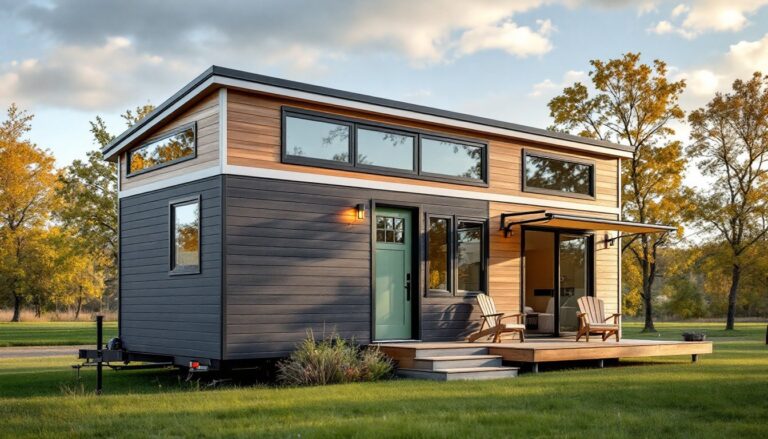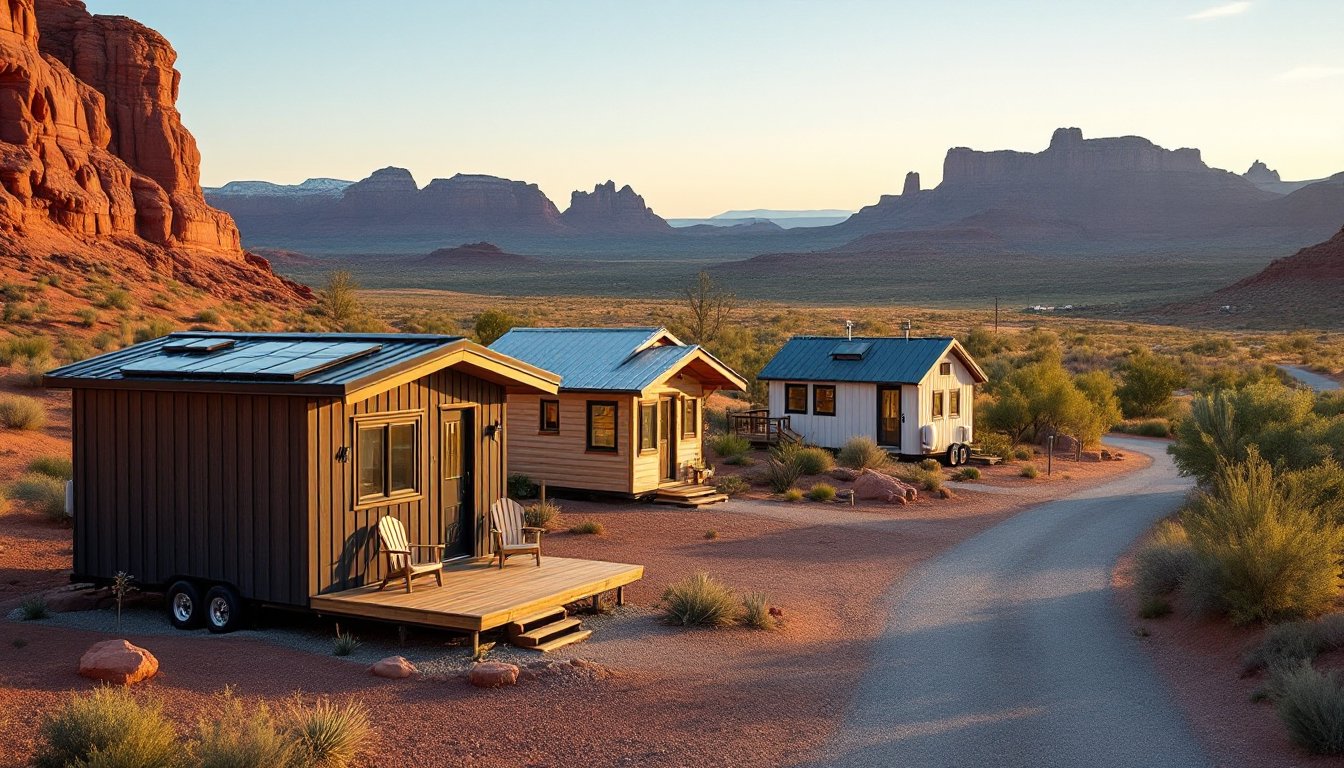
Utah’s combination of wide-open spaces, lower living costs, and scenic beauty has positioned it as one of the top destinations for tiny home enthusiasts in 2026. Whether someone’s downsizing to save money, pursuing a simpler lifestyle, or just tired of mortgage payments that rival a car collection, the state’s growing network of tiny home communities offers practical alternatives to traditional housing. Unlike parking a tiny house on any random plot and hoping the county doesn’t notice, these established communities provide legal lots, shared amenities, and a built-in network of like-minded neighbors who won’t judge anyone for composting toilets or lofted sleeping quarters.
Table of Contents
ToggleKey Takeaways
- Utah’s tiny home communities offer affordable land under $50,000 and favorable zoning flexibility, making homeownership accessible in a state with 300+ sunny days in the south and proximity to national parks.
- Foundation-built tiny homes in Utah must meet IRC Appendix Q standards including 6’8″ ceiling heights, egress windows, and proper insulation (R-30 in ceilings), while RVIA-certified homes on wheels face strict zoning restrictions for permanent occupancy.
- When selecting a tiny home community, prioritize checking utility infrastructure (municipal vs. private systems), full electrical service capacity (100-200 amps for modern appliances), and internet reliability before committing to purchase.
- Mountain View Tiny Home Village in Ogden and Wasatch Tiny Living Cooperative in Draper offer northern Utah options with different ownership models, while Red Rock Tiny Estates and Cedar Highlands provide southern alternatives suited to desert climates and outdoor recreation.
- Tiny home financing remains limited as most conventional lenders won’t mortgage structures under 400 square feet, requiring buyers to pursue personal loans or cash purchases with higher costs.
- Review HOA covenants, CC&Rs, and community governance rules carefully, as these often supersede county zoning and can enforce stricter square footage minimums, pet restrictions, and exterior design standards.
Why Utah Is Becoming a Tiny Home Haven
Utah’s appeal goes beyond postcards of red rock formations. The state offers a rare combination of affordable land, favorable climate zones, and a cultural openness to alternative housing that’s hard to find elsewhere in the Mountain West.
Affordable land remains the biggest draw. While coastal markets price out most first-time buyers, rural Utah counties still offer lots under $50,000, sometimes significantly less in areas farther from metro hubs. That price point makes tiny home ownership feasible for people who’d otherwise face decades of renting.
The climate works in favor of year-round living, too. Northern regions near Salt Lake City experience cold winters (prepare for snow loads on roofs and proper insulation), but southern Utah around St. George enjoys mild winters and 300+ days of sunshine annually. Solar panel installations perform exceptionally well here, and many tiny home owners report near-zero utility bills after the initial investment.
Zoning flexibility has improved dramatically since 2024. Several Utah municipalities updated ordinances to allow accessory dwelling units (ADUs) and reduce minimum square footage requirements. St. George, Cedar City, and parts of Utah County now permit dwellings as small as 120 square feet on approved lots, though most tiny home communities set their own minimums around 200-400 square feet for practical livability.
The state’s outdoor recreation access seals the deal for many. Living in a tiny home doesn’t mean sacrificing proximity to world-class hiking, skiing, and mountain biking. Several communities sit within 30 minutes of national parks or wilderness areas, making them ideal for people prioritizing experiences over square footage.
Top Tiny Home Communities in Utah
Northern Utah: Ogden and Salt Lake City Area
Mountain View Tiny Home Village (Ogden) operates as one of the state’s most established communities, with 42 lots ranging from 0.10 to 0.25 acres. Residents own their homes but lease land ($450-$600/month), which includes water, sewer, trash service, and access to a shared workshop equipped with basic woodworking tools and a welding station. The community requires homes to be 400 square feet or less and built to IRC Appendix Q standards for structural safety.
Lot rental agreements run year-to-year with renewal priority given to existing residents. The village sits 15 minutes from downtown Ogden and provides stunning views of the Wasatch Range, though winter access requires 4WD or AWD vehicles during heavy snow.
Wasatch Tiny Living Cooperative (Draper) takes a different approach with a member-owned model. Buyers purchase both their tiny home and a share in the community land trust ($85,000-$120,000 total investment depending on lot size). Monthly fees run $275-$350 and cover property taxes, road maintenance, and communal amenities including a greenhouse, tool library, and community garden plots.
The cooperative enforces strict design guidelines, exteriors must use natural materials like cedar siding or metal roofing, and all utilities must be grid-tied (no off-grid propane or composting systems). It’s a trade-off: less freedom in design, but better resale values and municipal approval.
Southern Utah: St. George and Cedar City
Southern Utah’s warmer climate and exploding retiree population have created unique opportunities for tiny home communities focused on small space living ideas adapted to desert environments.
Red Rock Tiny Estates (St. George) caters specifically to the 55+ crowd with 68 lots and strict age restrictions. Monthly lot fees ($525) include landscaping service, a major perk in a climate where xeriscaping and drip irrigation require constant attention. The community features a clubhouse with AC (essential when summer temps hit 110°F), pickle ball courts, and EV charging stations.
Homes must meet minimum 250 square feet and include covered parking or carports. The HOA maintains strict exterior color palettes (earth tones only) to blend with surrounding desert landscapes. Resale restrictions require board approval of buyers, which some residents find intrusive but others appreciate for community cohesion.
Cedar Highlands Tiny Community (Cedar City) targets outdoor enthusiasts with direct access to BLM land and trails. The 35-lot community allows homes 120-500 square feet and permits both foundation-built and RVIA-certified tiny houses on wheels, as long as they meet county setback requirements.
Lot leases run $380/month with well water included (septic systems are individual responsibility and cost $8,000-$12,000 to install). The elevation sits at 5,800 feet, so builders need to account for freeze-thaw cycles in foundation work and ensure proper R-value insulation, minimum R-30 in ceilings, R-21 in walls. Cedar City’s permitting process requires engineered drawings stamped by a Utah-licensed structural engineer, which adds $1,500-$3,000 to upfront costs but ensures homes can handle snow loads.
Legal Considerations and Zoning Laws for Tiny Homes in Utah
Utah doesn’t have statewide tiny home regulations, which means rules vary wildly by county and municipality. What’s legal in St. George might violate ordinances 50 miles north.
Zoning classifications determine whether a tiny home qualifies as a recreational vehicle, manufactured home, or site-built dwelling. RVIA-certified tiny houses on wheels often fall under RV classifications, which many residential zones prohibit for permanent occupancy. To legally live full-time in a tiny home on wheels, residents typically need communities specifically zoned for RV parks or mixed-use developments.
Foundation-built tiny homes have an easier path if they meet IRC Appendix Q standards, which address structural, mechanical, and safety requirements for dwellings under 400 square feet. Key requirements include:
• Minimum ceiling height: 6’8″ in living areas, 6’4″ in bathrooms and kitchens
• Loft areas: Minimum 35 square feet with 3-foot clearance to qualify as sleeping space
• Egress windows: Required in sleeping areas, minimum 5.7 square feet of openable area
• Stairs: If serving lofts, minimum 17.75″ tread depth (ladders don’t meet code for primary access)
Permit requirements depend on whether the home is owner-built or contractor-built. Owner-builders can pull their own permits in most Utah counties but should expect multiple inspections: foundation, framing, electrical, plumbing, and final occupancy. Electrical work must comply with NEC standards, and many jurisdictions require licensed electricians for anything beyond basic fixtures, DIY electrical work is risky and potentially illegal.
Some counties mandate minimum square footage regardless of Appendix Q allowances. Carbon and Emery counties, for example, still enforce 600-square-foot minimums for detached single-family dwellings. Always check with the local building department before purchasing land or starting construction.
HOA covenants in existing communities often supersede county zoning. Even if the county allows 200-square-foot homes, an HOA can enforce higher minimums or prohibit tiny homes entirely. Review CC&Rs carefully, and get written confirmation from community management before signing any agreements.
Anyone considering real estate trends in Utah should note that tiny home resale can be complicated. Financing options remain limited, most conventional lenders won’t mortgage structures under 400 square feet, pushing buyers toward personal loans with higher interest rates or cash purchases.
What to Look for When Choosing a Tiny Home Community
Not all tiny home communities deliver on their promises. Some are well-managed neighborhoods with thoughtful amenities: others are glorified RV parks with spotty utilities and zero community oversight.
Utility infrastructure should be the first checkpoint. Confirm whether water and sewer are municipal or private systems. Private well and septic setups can work fine but require more maintenance and potential replacement costs down the road. Ask about water quality testing, hard water is common in Utah and can wreck plumbing fixtures and appliances without proper filtration.
Electrical service varies significantly. Some communities provide 50-amp RV-style hookups, which limit what appliances can run simultaneously. Foundation-built tiny homes need full 100-amp or 200-amp service to handle HVAC, electric water heaters, and modern appliances safely. Verify what’s included in lot fees versus what residents pay separately.
Internet connectivity matters more than most people expect, especially for remote workers. Rural Utah communities often rely on satellite internet (high latency, weather-dependent) or fixed wireless providers with inconsistent speeds. Starlink has improved access in remote areas, but installation costs $600+ and monthly service runs $120. Communities near metro areas typically offer cable or fiber, but confirm speeds before committing, “high-speed internet available” can mean anything from 10 Mbps to gigabit fiber.
Community rules and governance range from hands-off to micromanaged. Some residents love HOA oversight that maintains property values and enforces quiet hours: others find rules about approved paint colors and visitor parking absurd. Review governing documents for:
• Guest policies (overnight visitor limits, RV parking rules)
• Pet restrictions (breed bans, size limits, quantity caps)
• Exterior modification approval processes
• Monthly fee increases (capped or unlimited?)
• Exit policies and resale restrictions
Lot size and setbacks affect both livability and future expansion. A 0.10-acre lot with 10-foot setbacks leaves minimal room for outdoor space, storage sheds, or vegetable gardens. Larger lots (0.20+ acres) provide breathing room and potential for adding decks, workshops, or guest cottages if zoning allows.
For those interested in modern home design approaches, consider whether the community supports creative architecture or enforces cookie-cutter aesthetics. Some neighborhoods celebrate diverse tiny home styles, modern steel-and-glass boxes next to rustic cabins, while others mandate uniform exteriors.
Proximity to services becomes critical in emergencies. A community 45 minutes from the nearest hospital or grocery store sounds romantic until someone needs urgent care or forgot a critical ingredient mid-recipe. Map out drive times to medical facilities, hardware stores, and basic amenities before deciding remote locations are worth the isolation.
Conclusion
Tiny home communities in Utah offer legitimate alternatives to traditional housing, but they’re not shortcuts around the work of homeownership. Between navigating zoning laws, evaluating infrastructure, and understanding community governance, the due diligence rivals buying a conventional house. The payoff, lower costs, simplified living, and access to Utah’s unmatched outdoor recreation, makes the effort worthwhile for people who’ve done the math and know what they’re signing up for.