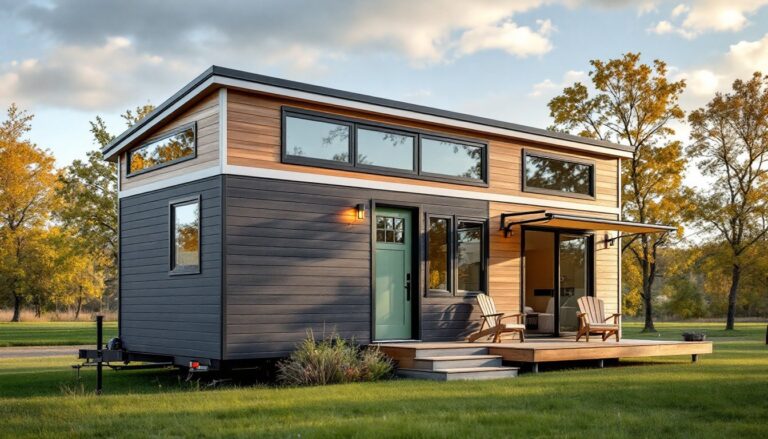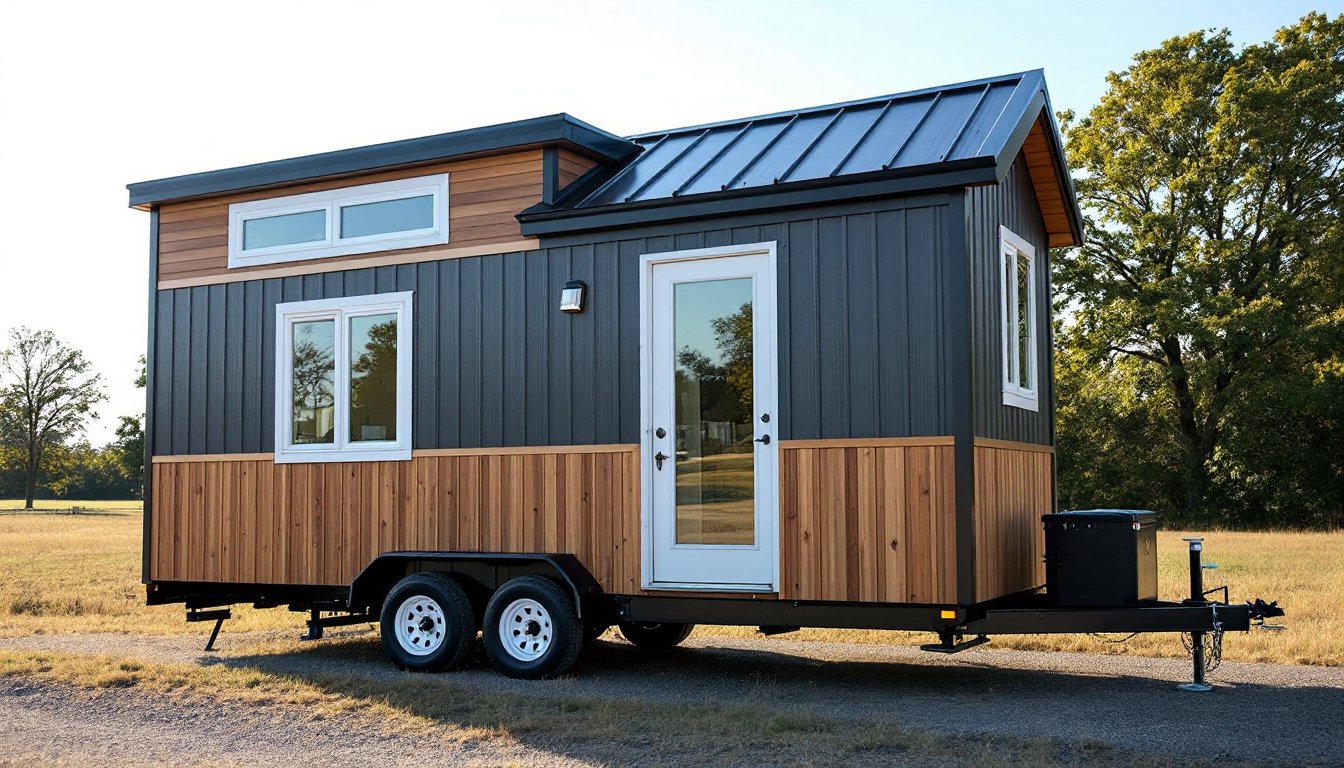
Building a tiny home on a trailer isn’t just a trendy lifestyle shift, it’s a practical way to own a home without a mortgage, sidestep rising property taxes, and maintain the freedom to relocate. Unlike traditional houses, these mobile dwellings sit on trailer frames, which means they’re classified as vehicles in many jurisdictions, opening up opportunities (and complications) that stick-built homes don’t offer. Whether you’re looking to downsize, escape rent, or create a custom space on your own terms, a trailer-based tiny home delivers flexibility that fixed foundations can’t match.
Table of Contents
ToggleKey Takeaways
- A tiny home on a trailer offers mobility, lower costs ($20,000–$50,000 for DIY builds), and freedom from property taxes, making it a practical alternative to traditional homeownership.
- Choosing the right trailer foundation is critical—invest in a tiny-home-specific dual or triple-axle model rated for 10,000–14,000 pounds GVWR to avoid flex, rust, and frame failure over time.
- Weight distribution, height limits (13.5 feet maximum), and width restrictions (8.5 feet) are essential design constraints that require strategic planning for lofts, appliances, and interior layout.
- Zoning and building codes vary dramatically by location; contact your local zoning office before building to understand ADU rules, RV certification options, and permit requirements in your area.
- Specialty insurance, not standard homeowners or RV policies, is necessary to protect your tiny home on a trailer; work with experienced providers familiar with alternative housing.
- Budget for hidden costs including land/parking fees ($200–$800/month), utilities, towing ($1–$5/mile), and annual insurance ($500–$1,200) beyond the initial build expense.
What Is a Tiny Home on a Trailer?
A tiny home on a trailer is a fully functional dwelling built on a chassis with wheels, typically ranging from 8 to 8.5 feet wide and 12 to 32 feet long. Most weigh between 10,000 and 15,000 pounds when finished, requiring a heavy-duty trailer rated for the load.
Unlike RVs, which are manufactured to RVIA standards and built for temporary occupancy, tiny homes on trailers are custom-designed for year-round living. They feature residential-grade insulation, full kitchens, bathrooms with composting or flush toilets, and sleeping lofts or ground-floor bedrooms. The trailer frame serves as the foundation, eliminating the need for a permanent concrete slab or pier-and-beam setup.
Because they’re mobile, these homes occupy a legal gray area. In most places, they’re not classified as RVs (which have specific build certifications) or as traditional homes (which require permanent foundations). This distinction matters when it comes to parking, insuring, and legally occupying your build.
Benefits of Building Your Tiny Home on a Trailer
Mobility is the standout advantage. If you get a new job across the state, inherit land, or simply want a change of scenery, you can hitch up and move. No real estate agent, no closing costs, no waiting.
Lower cost is another major draw. A DIY build typically runs $20,000 to $50,000 depending on finishes and systems, compared to six figures for a traditional home. Even a professionally built tiny home often caps out around $80,000 to $100,000.
No property taxes in many areas, since the structure isn’t permanently affixed to land. You will pay for the land you park on, whether that’s rent at a tiny home community or your own plot, but you won’t face annual appraisals and rising tax bills tied to the structure itself.
Simplified living forces intentional design. With limited square footage, every cabinet, shelf, and appliance gets scrutinized. Many builders find this constraint freeing rather than limiting, especially when paired with advice from resources on small space living ideas that showcase creative storage and multifunctional furniture.
Faster build time compared to a stick-built house. An experienced DIYer can frame, insulate, wire, and finish a tiny home in three to six months working part-time, versus a year or more for conventional construction.
Choosing the Right Trailer for Your Tiny Home
The trailer is your foundation. Cheap out here, and you’ll deal with flex, rust, and potential frame failure down the road.
Look for a trailer specifically designed for tiny homes, not a standard utility or equipment trailer. Tiny house trailers feature a dropped deck between the wheel wells, lowering the floor height and giving you more interior headroom without exceeding road height limits (typically 13.5 feet in most states).
Axle count and rating matter. A dual-axle trailer rated for 10,000 to 14,000 pounds GVWR (Gross Vehicle Weight Rating) suits most builds under 24 feet. Longer homes may need a triple-axle setup. Always leave a 20% cushion between your estimated finished weight and the trailer’s rating, tiny homes get heavier than you expect once you add cabinetry, appliances, water tanks, and belongings.
Galvanized steel or powder-coated frames resist rust better than bare steel. If you plan to move frequently or live in a wet climate, this upgrade pays off.
Tongue length and hitch type affect towing. A standard gooseneck or bumper-pull hitch works for most builds, but a gooseneck offers better stability on highway speeds. Make sure your tow vehicle is rated to handle the combined weight of the trailer and home.
Reputable manufacturers like Iron Eagle, Tumbleweed, and Tennessee Tiny Homes offer trailers engineered to code. Expect to pay $4,000 to $7,000 for a quality base depending on length and features.
Essential Design Considerations for Trailer-Based Tiny Homes
Weight distribution is critical. Place heavy items, water heater, refrigerator, bathtub, over or just forward of the axles. Too much weight on the tongue makes towing dangerous: too much at the rear causes sway.
Road height limits cap your design at around 13.5 feet total, including the trailer deck. After framing the floor (typically 2×6 or 2×8 joists), walls, roof, and any rooftop features, you’re left with roughly 12 to 12.5 feet of usable interior height if you include a loft.
Width restrictions mean most builds stay at 8.5 feet wide to avoid oversize load permits. Anything wider requires pilot cars, route planning, and expensive permits every time you move.
Framing should be 2×4 or 2×6 studs on 16-inch centers for walls, with hurricane ties and metal strapping to handle road vibration and wind loads. Don’t rely on nails alone, construction adhesive and structural screws add redundancy.
Insulation needs to handle temperature swings and condensation. Closed-cell spray foam works well in walls and ceilings, providing both insulation and air sealing. For floors, use rigid foam board under the subfloor to prevent drafts from below. Aim for R-13 to R-15 in walls and R-19 to R-30 in the ceiling.
Plumbing and electrical must be secured and flexible. Use PEX tubing instead of rigid copper, and leave slack in lines to accommodate trailer flex. Run wiring through flexible conduit where it crosses structural members.
Appliances and fixtures should be compact and ideally designed for mobile use. A propane tankless water heater, 12V DC refrigerator, and composting toilet reduce utility hookup requirements and weight. Many builders integrate design principles used in home organization tips to maximize vertical storage and reduce clutter.
Legal and Zoning Requirements You Need to Know
Zoning laws vary wildly by county and municipality. Some areas welcome tiny homes on trailers as accessory dwelling units (ADUs) if parked on a property with a primary residence. Others ban them outright or restrict occupancy to RV parks.
Building codes are inconsistent. The International Residential Code (IRC) requires habitable rooms to have minimum ceiling heights of 7 feet (6 feet 8 inches for bathrooms and kitchens), which most tiny homes meet in the main floor but not necessarily in lofts. Some jurisdictions apply the IRC: others create tiny-home-specific appendices. A few states, like California and Oregon, have adopted Appendix Q, which provides modified code standards for homes under 400 square feet.
RV certification is one workaround. If your build meets RVIA or NFPA 1192 standards (which cover things like propane systems, egress windows, and electrical), you can register it as a recreational vehicle. This allows you to park legally in RV parks and some private land, but you’ll face restrictions on full-time occupancy in many places.
Permits may still be required depending on how your home is classified. If it’s considered a permanent structure, you’ll need electrical, plumbing, and possibly structural permits. If it’s classified as a vehicle, you may not, but that also means you can’t legally connect to permanent utilities in some areas.
Insurance is tricky. Standard homeowners policies won’t cover a mobile structure, and RV insurance may exclude custom builds. Look for specialty tiny home insurance providers or work with an agent experienced in non-traditional housing. Current trends in urban living guides highlight how municipalities are slowly adapting regulations to accommodate alternative housing, but it’s still a patchwork landscape.
Best approach: Contact your local zoning office before you build. Ask specifically about tiny homes on trailers, ADU rules, and whether RV certification helps. Some builders register their homes in tiny-home-friendly states (like Texas or Colorado) even if they plan to live elsewhere, though this raises questions about residency and vehicle registration legality.
Cost Breakdown: What to Expect When Building a Tiny Home on a Trailer
Costs vary by size, finishes, and whether you’re doing the work yourself or hiring out. Here’s a realistic breakdown for a 20-foot build with mid-range finishes in 2026 dollars:
Trailer: $5,000 to $7,000 (dual-axle, tiny-home-specific)
Framing and sheathing: $2,000 to $3,500 (lumber, OSB, metal roofing)
Insulation and vapor barriers: $800 to $1,500 (spray foam or rigid foam plus batts)
Windows and doors: $1,200 to $2,500 (residential-grade, energy-efficient)
Electrical: $800 to $1,500 (wiring, breaker panel, outlets, fixtures). Hiring a licensed electrician for final hookup and inspection adds another $500 to $1,000.
Plumbing: $600 to $1,200 (PEX, fixtures, tankless heater, greywater tank)
Interior finishes: $2,500 to $5,000 (drywall or tongue-and-groove paneling, flooring, paint, trim)
Kitchen and bath: $2,000 to $4,000 (cabinets, countertops, sink, composting toilet, shower pan)
Appliances: $1,500 to $3,000 (propane stove, 12V fridge, water heater, ventilation fan)
Miscellaneous: $1,000 to $2,000 (fasteners, adhesives, sealants, tools you don’t own)
Total DIY estimate: $17,400 to $31,200. Plan on the higher end if you’re not reusing materials or doing your own labor for specialized tasks.
Hiring a professional builder typically doubles or triples the cost. Turnkey tiny homes often run $60,000 to $100,000+, depending on customization and finishes.
Hidden costs to budget for:
- Land or parking fees: $200 to $800/month depending on location and amenities
- Utilities hookup or off-grid systems: Solar setups start around $3,000: septic or sewer hookups vary widely
- Towing and moving: Professional transport runs $1 to $5 per mile depending on distance and permits
- Insurance: $500 to $1,200 annually for specialty tiny home coverage
If you’re financing, note that traditional mortgages don’t apply. Some builders use personal loans, RV loans, or chattel mortgages. Interest rates are typically higher than conventional home loans.
Conclusion
A tiny home on a trailer offers real freedom, if you’re willing to navigate the legal hurdles, invest in a solid foundation trailer, and commit to thoughtful design. It’s not a shortcut, but for those who value mobility, lower costs, and intentional living, it’s a viable alternative to traditional homeownership that rewards careful planning and skilled execution.