Tiny home parks are reshaping the affordable housing landscape and offering investors a compelling alternative to traditional multifamily real estate. Unlike RV parks or manufactured home communities, tiny home parks cater to a growing demographic seeking downsized, minimalist living without sacrificing community or quality. With rising construction costs and housing shortages across the U.S., these compact communities are filling a critical gap, and generating steady revenue for those who build them right. This guide breaks down what tiny home park models are, how they operate, and what it takes to launch one successfully in 2026.
Table of Contents
ToggleKey Takeaways
- A tiny home park model generates predictable revenue through monthly lot rent ($250–$600), utility fees, and amenity charges, with occupancy rates exceeding 90% in well-managed communities.
- Tiny home park development costs $15,000–$40,000 per site, significantly lower than traditional apartment construction, while offering reduced liability since residents own or lease individual structures.
- Zoning approval is critical—verify whether your municipality permits foundation-based tiny homes, THOW units, or both, as this determines permit timelines (3–18 months depending on jurisdiction).
- Infrastructure setup requires careful planning of water, sewer, electrical pedestals (50-amp NEMA 3R-rated), and stormwater management; budget for trenching depth based on local frost line requirements.
- A 20-site tiny home park can generate $122,000 in annual gross revenue with a typical 11–17% cash-on-cash return, making the model competitive with multifamily real estate while offering flexible exit strategies.
- Over 200 U.S. municipalities have adopted tiny-home-friendly ordinances as of 2026, with California, Oregon, and Colorado leading regulatory adoption to address affordable housing shortages.
What Is a Tiny Home Park Model?
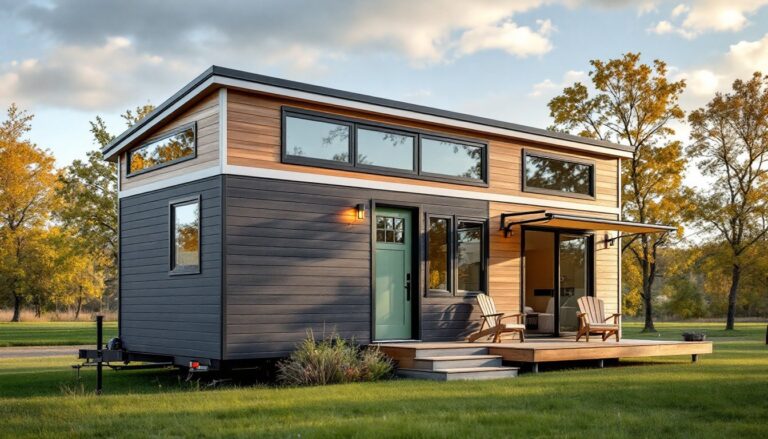
A tiny home park model is a planned community that provides dedicated sites for tiny homes, typically structures under 400 square feet on wheels or permanent foundations. Unlike mobile home parks, which often feature older, depreciating units, tiny home parks attract newer construction with contemporary design aesthetics and eco-conscious buyers.
These parks function similarly to RV parks or manufactured housing communities, but with critical distinctions. Residents either own or rent their tiny homes and lease the land beneath them. The park owner provides the infrastructure: utilities, roads, common areas, and sometimes shared amenities like laundry facilities, community gardens, or co-working spaces.
Tiny home parks fall into two primary categories: THOW parks (tiny homes on wheels) and foundation-based parks. THOW parks cater to movable dwellings that meet road-towing standards, while foundation parks host permanent tiny homes built to International Residential Code (IRC) Appendix Q standards. Zoning determines which type is permissible, and many municipalities are only beginning to update ordinances to accommodate both.
The appeal is twofold. For residents, it’s affordable housing with lower utility costs and reduced environmental footprint. For investors, it’s a scalable real estate model with lower per-unit construction costs than traditional apartment complexes. Modern small space living ideas have influenced the design and appeal of these communities, making them attractive to minimalists and design-conscious buyers.
How the Tiny Home Park Business Model Works
The revenue structure resembles that of a mobile home park: residents pay monthly lot rent while the park owner maintains infrastructure and enforces community rules. Lot rent typically ranges from $250 to $600 per month, depending on location, amenities, and utility inclusion.
Some parks operate as lease-to-own communities, where residents purchase their tiny homes directly from the developer and lease the land. Others allow residents to bring their own certified tiny homes, provided they meet park design standards and local building codes. A third model involves the park owner renting both the land and the structure, creating a traditional landlord-tenant relationship.
Unlike apartment buildings, tiny home parks have minimal interior maintenance. The resident owns or rents the structure, so plumbing leaks, HVAC repairs, and appliance replacements fall to them. The park operator focuses on maintaining roads, water lines, electrical pedestals, sewer hookups, and shared spaces.
Occupancy rates in well-managed parks often exceed 90%, particularly in markets with tight housing inventory. Because tiny homes are less transient than RVs, turnover is lower, and lease terms typically run 12 months or longer. This stability makes the model attractive to lenders and investors seeking predictable cash flow.
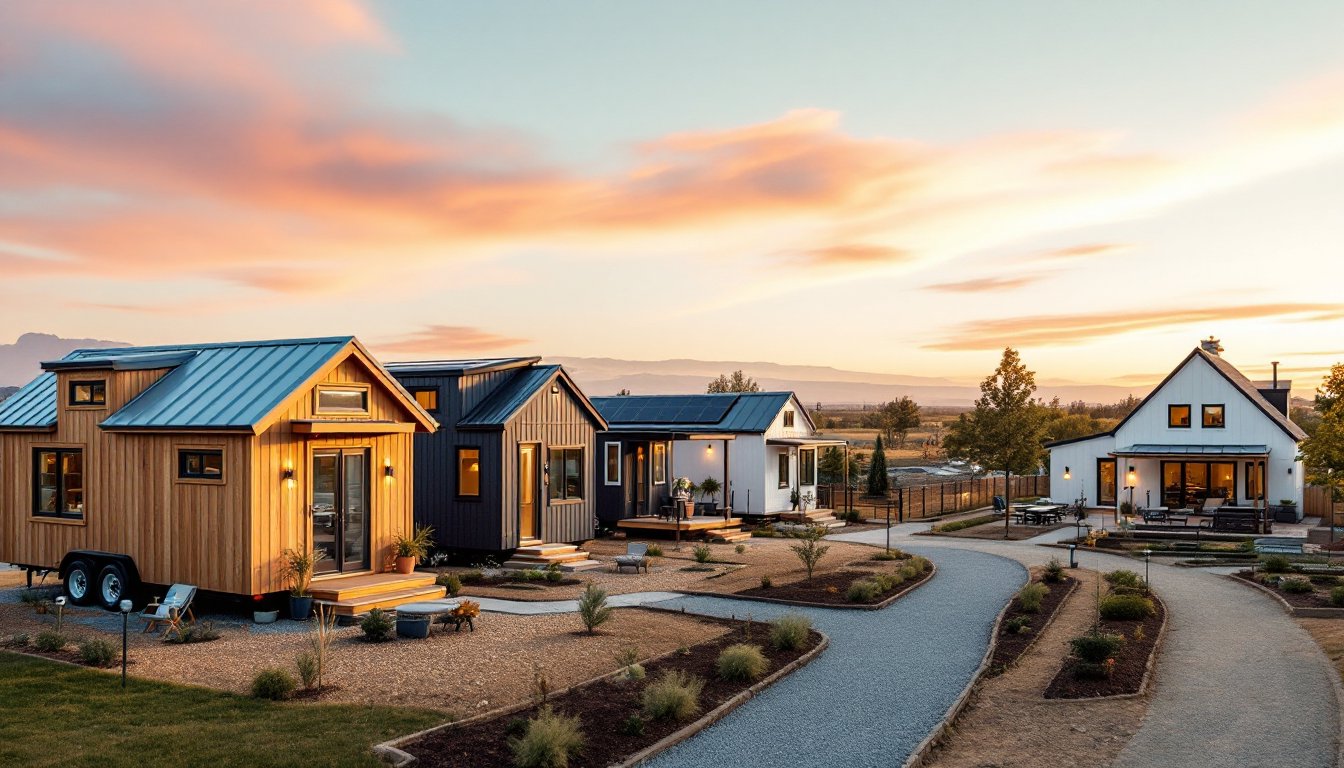
Revenue scalability depends on density. A five-acre park might accommodate 20 to 30 tiny home sites, depending on setback requirements and shared infrastructure. Efficient home design ideas applied to site planning can maximize density without sacrificing livability or code compliance.
Key Benefits of Investing in a Tiny Home Park
Tiny home parks offer several advantages over conventional rental properties. Lower construction costs top the list. Developing a tiny home park requires grading, utility trenching, and road installation, but no vertical construction. Per-site development costs range from $15,000 to $40,000, compared to $150,000+ per unit for new apartments.
Reduced liability is another draw. Because residents own or lease individual structures, property damage and interior hazards fall outside the park owner’s purview. Insurance premiums reflect this, typically covering only common areas, infrastructure, and general liability.
The model also benefits from favorable zoning trends. As of 2026, more than 200 U.S. municipalities have adopted or are drafting tiny-home-friendly ordinances. States like California, Oregon, and Colorado lead the pack, while rural counties nationwide are relaxing restrictions to attract affordable housing.
Environmental appeal resonates with today’s buyers. Tiny homes consume less energy, generate less waste, and often incorporate off-grid features like solar panels or composting toilets. Parks that emphasize sustainability can command premium lot rents and attract media attention, boosting occupancy.
Finally, tiny home parks offer flexible exit strategies. Investors can sell individual lots (if zoned for subdivision), sell the entire park as a turnkey operation, or convert the land to another use if market conditions shift. This liquidity is rare in multifamily real estate.
Essential Requirements for Starting Your Tiny Home Park
Zoning and Legal Considerations
Before purchasing land, confirm that local zoning permits tiny home parks. Many jurisdictions classify them as manufactured housing communities, recreational vehicle parks, or a standalone planned unit development (PUD). Each classification carries different setback requirements, density limits, and permit processes.
Check whether the municipality distinguishes between tiny homes on wheels (THOW) and foundation-based tiny homes. Some areas allow only permanent structures, while others permit both. If THOW units are allowed, verify whether they must be certified by the Recreational Vehicle Industry Association (RVIA) or the Noah Certification program.
Building codes matter, too. Foundation-based tiny homes should meet IRC Appendix Q, which sets minimum standards for habitable spaces, ceiling heights, loft access, and emergency egress. THOW units may fall under RVIA standards instead, which differ in structural and plumbing requirements.
Permit timelines vary widely. In progressive municipalities, approval may take three to six months. In more restrictive areas, expect 12 to 18 months and possible rezoning hearings. Budget for legal fees, engineering studies, and environmental impact reports.
Certain states require park owners to register as manufactured housing operators or obtain special business licenses. Consult a real estate attorney familiar with local land use law before signing a purchase agreement.
Infrastructure and Utility Setup
Each tiny home site needs four utilities: water, sewer (or septic), electrical, and sometimes natural gas. Electrical pedestals typically provide 50-amp service per site, enough for a small HVAC unit, appliances, and lighting. Code requires pedestals to be NEMA 3R-rated for outdoor use and positioned within 25 feet of each home’s connection point.
Water lines should be sized for peak demand. A 1-inch PEX mainline can serve up to 20 sites, but factor in fire hydrant requirements if mandated by local fire code. Trenching depth depends on frost line: 18 inches in warm climates, 36 to 48 inches in northern zones.
Sewer hookups can tie into municipal systems or rely on on-site septic. If septic, size the drain field for total occupancy. A three-bedroom equivalent per site is a safe baseline. Septic permitting often takes longer than other infrastructure approvals, so start early.
Roads don’t need to be asphalt, many parks use compacted gravel with geotextile fabric underneath for drainage. Width should accommodate emergency vehicles: 20 feet minimum for two-way traffic or 12 feet for one-way loops. Fire departments may require turnaround space if roads exceed a certain length.
Stormwater management is non-negotiable. Grading plans should direct runoff into retention ponds, bioswales, or municipal storm drains. Poor drainage leads to flooding, erosion, and code violations. Applying home organization tips to site layout, keeping pathways clear, utilities accessible, and infrastructure labeled, saves headaches during inspections and ongoing maintenance.
Safety note: Always call 811 before digging to locate underground utilities. Striking a gas or fiber line can halt construction for weeks and trigger five-figure fines.
Revenue Streams and Financial Projections
Lot rent is the primary revenue source, but savvy park owners diversify income. Utility fees can be billed separately if individual metering is installed. Charging $50 to $100 per month for water, sewer, and trash keeps lot rent competitive while covering actual usage.
Amenity fees add value. Co-working spaces, community kitchens, or dog parks justify premium pricing. Some parks charge $25 to $50 per month for access to shared facilities, particularly in markets with remote workers.
Tiny home sales generate upfront capital. Parks that build and sell turnkey units can earn $30,000 to $80,000 per home, depending on size and finishes. Offering financing directly to buyers creates an additional interest income stream, though it requires careful underwriting.
Storage fees for personal items or seasonal equipment provide another modest revenue channel. A climate-controlled storage building costs roughly $15,000 to $30,000 to construct and can generate $1,200 to $2,400 annually in rental income.
Financial projections for a 20-site park might look like this: average lot rent of $400/month yields $96,000 annually. Add $18,000 in utility fees, $6,000 in amenity fees, and $2,000 in storage income for total gross revenue of $122,000. Operating expenses, property tax, insurance, maintenance, management, typically run 30% to 40% of gross, leaving $73,000 to $85,000 in net operating income.
Development costs for that same park might total $500,000 to $700,000, including land acquisition, infrastructure, permitting, and contingency. At an 11% to 17% cash-on-cash return, the project pencils favorably compared to traditional multifamily investments, especially in appreciating markets.
Financing options include conventional commercial loans, SBA 504 loans, or private equity. Lenders increasingly recognize tiny home parks as viable assets, though loan-to-value ratios may cap at 70% to 75% until more historical performance data emerges. Building a detailed pro forma with conservative occupancy assumptions, 80% in year one, ramping to 95% by year three, strengthens your case with lenders.