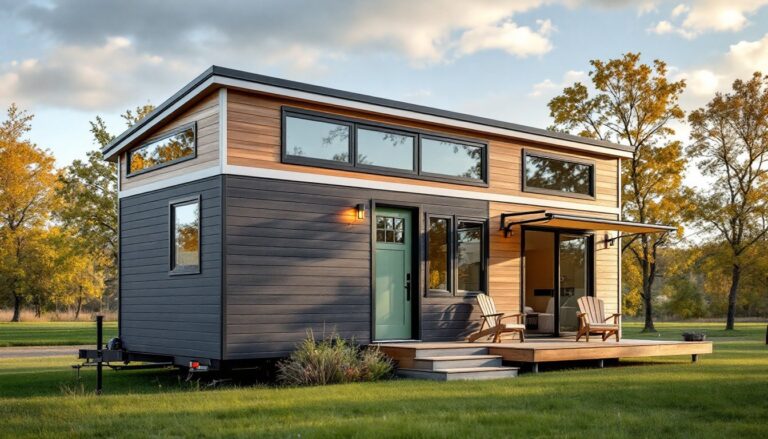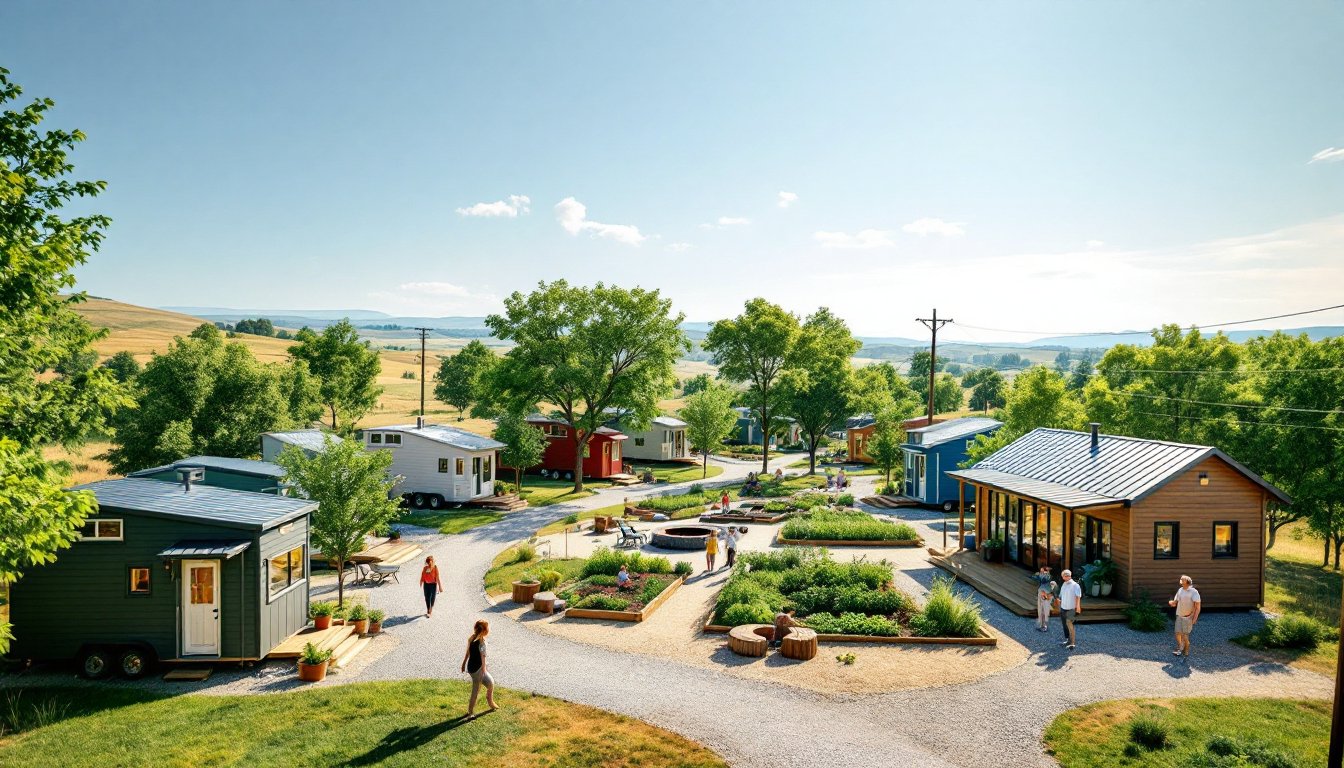
Tiny home parks are reshaping how Americans think about affordable housing. Unlike traditional RV parks or mobile home communities, these purpose-built developments cater specifically to downsized living, homes under 400 square feet, often on wheels or permanent foundations. They combine reduced housing costs with intentional community design, offering everything from shared gardens to co-working spaces. For those willing to embrace compact living, tiny home parks provide a viable alternative to skyrocketing rents and mortgages. But they come with their own set of rules, fees, and setup requirements that demand careful research before you commit.
Table of Contents
ToggleKey Takeaways
- Tiny home parks offer long-term affordable housing with lots costing $250–$800 monthly and homes priced $30,000–$80,000, helping residents cut housing expenses by 60–70% compared to traditional markets.
- These purpose-built communities provide intentional shared amenities—from co-working spaces to community gardens—that foster social connection while reducing individual maintenance costs by 60% or more.
- Before committing to a tiny home park, verify local zoning laws, tour sites in person, and thoroughly review lease terms covering rent increases, termination clauses, and resale restrictions.
- Proper site preparation, including level foundations (within 1/4 inch per 10 feet), professional utility hookups, and home anchoring, costs $2,000–$5,000 and prevents costly long-term problems.
- Tiny home park operators use three business models—lease-only, rent-to-own, or HOA-style ownership—each with different financial and flexibility implications for residents.
What Are Tiny Home Parks and How Do They Work?
A tiny home park is a planned community designed to accommodate small dwellings, typically ranging from 100 to 400 square feet. Unlike standard RV parks, which often impose short-term stay limits, tiny home parks function as long-term residential communities.
Residents either purchase or rent a lot (the land parcel their home sits on) and bring their own tiny house, whether it’s a THOWs (tiny house on wheels), a modular unit, or a small foundation-built structure. The park operator maintains common infrastructure: roads, utilities, landscaping, and shared facilities.
Most parks distinguish between mobile and stationary tiny homes. Mobile units require compliance with RVIA (Recreational Vehicle Industry Association) or NOAH (National Organization of Alternative Housing) certification standards if they’re built on trailers. Foundation models must meet local building codes, similar to accessory dwelling units (ADUs).
Parks typically operate under one of three models:
- Lease-only: Residents rent the lot monthly and own their home.
- Rent-to-own: Monthly payments go toward eventual lot ownership.
- HOA-style: Residents buy both home and lot, then pay monthly dues for maintenance and amenities.
Zoning laws vary dramatically by jurisdiction. Some municipalities classify tiny home parks as RV parks, others as manufactured housing communities, and a growing number have created specific tiny house overlay districts. Always verify local zoning before committing, rezoning battles have shut down parks mid-development in several states.
Benefits of Living in a Tiny Home Park
Cost Savings and Affordability
The financial appeal is straightforward: lower housing costs across the board. A typical tiny home runs $30,000–$80,000 for a quality build, compared to the median U.S. home price hovering above $400,000 in 2026.
Monthly lot fees range from $250 to $800 depending on location and amenities, significantly less than apartment rent in most urban markets. Utility costs drop proportionally with square footage. A 300-square-foot home might cost $40–$100 monthly to heat and cool, versus $150–$300 for a standard house.
Property taxes shrink, too. In many jurisdictions, tiny homes on wheels are titled as vehicles rather than real property, avoiding traditional property tax. Foundation models pay reduced assessments based on actual square footage.
Maintenance and repair budgets tighten considerably. Less roof to replace, fewer windows to seal, minimal flooring to refinish. Exterior paint covers a tiny home in one gallon instead of ten.
Some residents report cutting their housing expenses by 60–70%, freeing income for other priorities, though this assumes you’ve avoided common pitfalls like overleveraging on a custom build or underestimating site prep costs.
Community and Shared Amenities
Tiny home parks cultivate social connection that traditional neighborhoods often lack. Shared spaces like community gardens, fire pits, and workshop sheds encourage regular interaction. Many parks host potlucks, tool libraries, and skill-sharing sessions.
Amenities typically include:
- Laundry facilities (most tiny homes can’t accommodate full-size washers)
- Common buildings with kitchens for gatherings
- Co-working spaces with high-speed internet
- Pet areas and dog runs
- Outdoor recreation: trails, playgrounds, bocce courts
The density of tiny home parks means neighbors live closer than in suburban subdivisions. This proximity can be either benefit or drawback depending on personality and park culture. Well-managed communities establish clear good neighbor policies covering noise, outdoor storage, and guest parking.
Some parks organize around specific themes or demographics: eco-villages prioritizing sustainability, age-restricted communities for 55+, or artist collectives with shared studios. This intentional curation helps residents find like-minded neighbors, though it limits diversity.
Finding the Right Tiny Home Park for Your Needs
Start your search by defining non-negotiables: geographic region, climate considerations, proximity to work or family, and budget ceiling.
Online directories like Tiny House Community and industry forums maintain updated lists of operating parks. Many developments fill to capacity quickly, so expect waitlists, particularly for desirable locations near urban centers or natural amenities.
When evaluating parks, visit in person if possible. Tour the grounds during different times of day. Observe lot spacing, road conditions, drainage (are there standing water issues after rain?), and general upkeep.
Key questions to ask park management:
- What’s the average turnover rate? High turnover may signal management or community issues.
- Are lots level and ready for placement, or will significant site prep be required?
- What’s included in monthly fees versus what’s billed separately?
- Are there restrictions on home size, style, or age of the dwelling?
- Can residents rent out their homes or is owner-occupancy mandatory?
- What’s the pet policy? (Size limits, breed restrictions, number allowed)
- Is there guest parking and overnight guest accommodation?
Review online feedback carefully, but take extreme reviews, both positive and negative, with skepticism. Look for patterns in multiple sources.
Consider climate-specific factors. Parks in hot regions should offer adequate shade and efficient cooling solutions. Cold-climate parks need proper snow removal commitments and adequate utility infrastructure for winter heating demands.
For those weighing small space living ideas, touring existing tiny home parks provides valuable perspective on spatial realities versus idealized renderings.
Understanding Park Fees, Regulations, and Lease Agreements
Monthly lot fees cover different services depending on the park. Base rent typically includes water, sewer, trash removal, road maintenance, and access to common areas. Some parks bundle electricity and Wi-Fi: others meter them separately.
Expect additional costs:
- Utility deposits: $200–$500 upfront
- Application fees: $50–$150 for background and credit checks
- HOA or amenity fees: $25–$100 monthly for parks with extensive facilities
- Pet deposits: $200–$500 per animal
Lease terms vary from month-to-month to multi-year agreements. Longer leases often secure lower monthly rates but limit flexibility. Read the entire lease before signing, pay particular attention to:
Termination clauses: How much notice is required? Are there penalties for early exit? What happens if the park closes or changes ownership?
Rent increase provisions: Is there a cap on annual increases? What triggers adjustments?
Maintenance responsibilities: Who handles lot landscaping, driveway upkeep, and snow removal from individual sites?
Home modification restrictions: Many parks prohibit additions, decks, or exterior alterations without approval.
Resale rules: Can you sell your home while it’s in place, or must you move it out? Does the park claim right of first refusal?
Some parks impose design covenants specifying exterior finishes, roofing materials, or color palettes to maintain aesthetic consistency. While this protects property values, it limits personalization.
Insurance requirements deserve close attention. Parks typically mandate liability coverage, and some require proof of comprehensive dwelling coverage. Tiny home insurance differs from RV insurance and standard homeowners policies, secure quotes before committing to a location.
Check if the park carries proper liability insurance and verify their business license status. Reputable operations maintain transparency about their legal standing and financial stability.
Setting Up Your Tiny Home: Utilities, Hookups, and Site Preparation
Proper site prep separates a stable, comfortable setup from ongoing headaches. Even if the park claims lots are “move-in ready,” inspect the site thoroughly before delivery.
Foundation and leveling are critical. Most THOWs require a level pad, within 1/4 inch per 10 feet, to prevent structural stress and ensure appliances function correctly. Options include:
- Gravel or crushed stone base: 4–6 inches deep, properly compacted
- Concrete pads: More expensive but provide long-term stability
- Pavers or deck blocks: Acceptable for lighter homes on level terrain
Avoid placing homes directly on bare soil, moisture wicks into floor framing and promotes rot.
Utility hookups typically follow RV-style standards but with residential-grade components:
- Electrical: Most tiny homes need 30-amp or 50-amp service. Verify the park provides adequate amperage. Hire a licensed electrician to install the hookup if not already present, DIY electrical work may violate park rules and void insurance.
- Water: Standard 3/4-inch garden hose connections work temporarily, but upgrade to freeze-proof, buried lines in cold climates. Include a pressure regulator (40–60 PSI) to prevent plumbing damage.
- Sewer: Connect to the park’s system using 3-inch or 4-inch ABS or PVC pipe with proper slope (1/4 inch per foot minimum). Include a P-trap and cleanout access. Never use flexible RV sewer hose as a permanent solution, it sags, clogs, and violates most codes.
For parks requiring contractor hiring tips to complete utility installations, get multiple bids and verify all work meets National Electrical Code (NEC) and International Residential Code (IRC) standards where applicable.
Skirting around the home’s base improves energy efficiency and aesthetics. Options include vinyl skirting panels, wood lattice, or corrugated metal. Ensure adequate ventilation to prevent moisture buildup under the home.
Anchor the home properly. In wind-prone areas, use mobile home anchors or auger-style ground anchors with steel cables rated for your home’s weight and local wind loads. This isn’t optional, it’s a life-safety measure and usually a lease requirement.
Budget $2,000–$5,000 for professional site prep, utility hookups, and anchoring if not included in park fees. When evaluating home design news about tiny living, remember that glossy photos rarely show the unglamorous but essential infrastructure work.
Safety note: Always call 811 (national dig hotline) before any excavation, even for shallow trenches. Hitting underground utilities creates dangerous and expensive problems.
Before occupancy, test all systems: run water through every fixture, check for leaks, verify electrical outlets and breakers, and confirm heating/cooling systems function properly at the new location. Address issues immediately while contractors are still on-site.